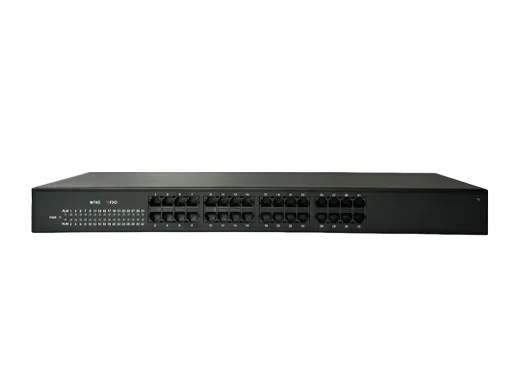
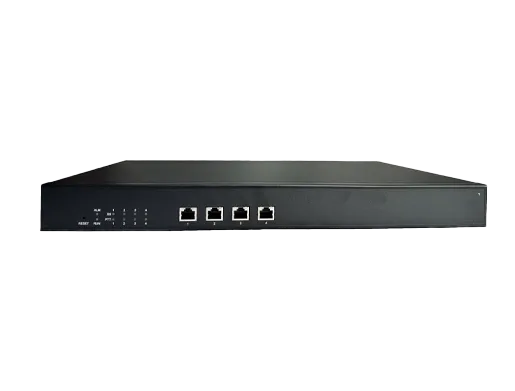
An FXO gateway is a voice gateway that connects traditional analog telephone lines to an IP-based communication system. In practical terms, it allows an IP PBX, SIP server, unified communications platform, or hosted voice environment to send and receive calls through analog PSTN lines or analog trunk interfaces from a legacy PBX. This makes the FXO gateway an important bridge between older telephony infrastructure and modern VoIP networks.
The term FXO stands for Foreign Exchange Office. An FXO interface behaves like an analog telephone or terminal from the perspective of the telephone line. It receives battery and ringing from the far-end line interface and uses analog line signaling to establish or release calls. When that interface is built into a gateway, the device can translate between analog line signaling on one side and SIP/RTP-based IP communications on the other.
FXO gateways are commonly used during VoIP migration projects, branch office deployments, PSTN backup design, and hybrid communication systems that need to keep analog outside lines while adopting IP telephony. They are also useful in sites where SIP trunking is not yet available, where analog trunks are still required for resilience, or where existing business processes depend on local PSTN access.
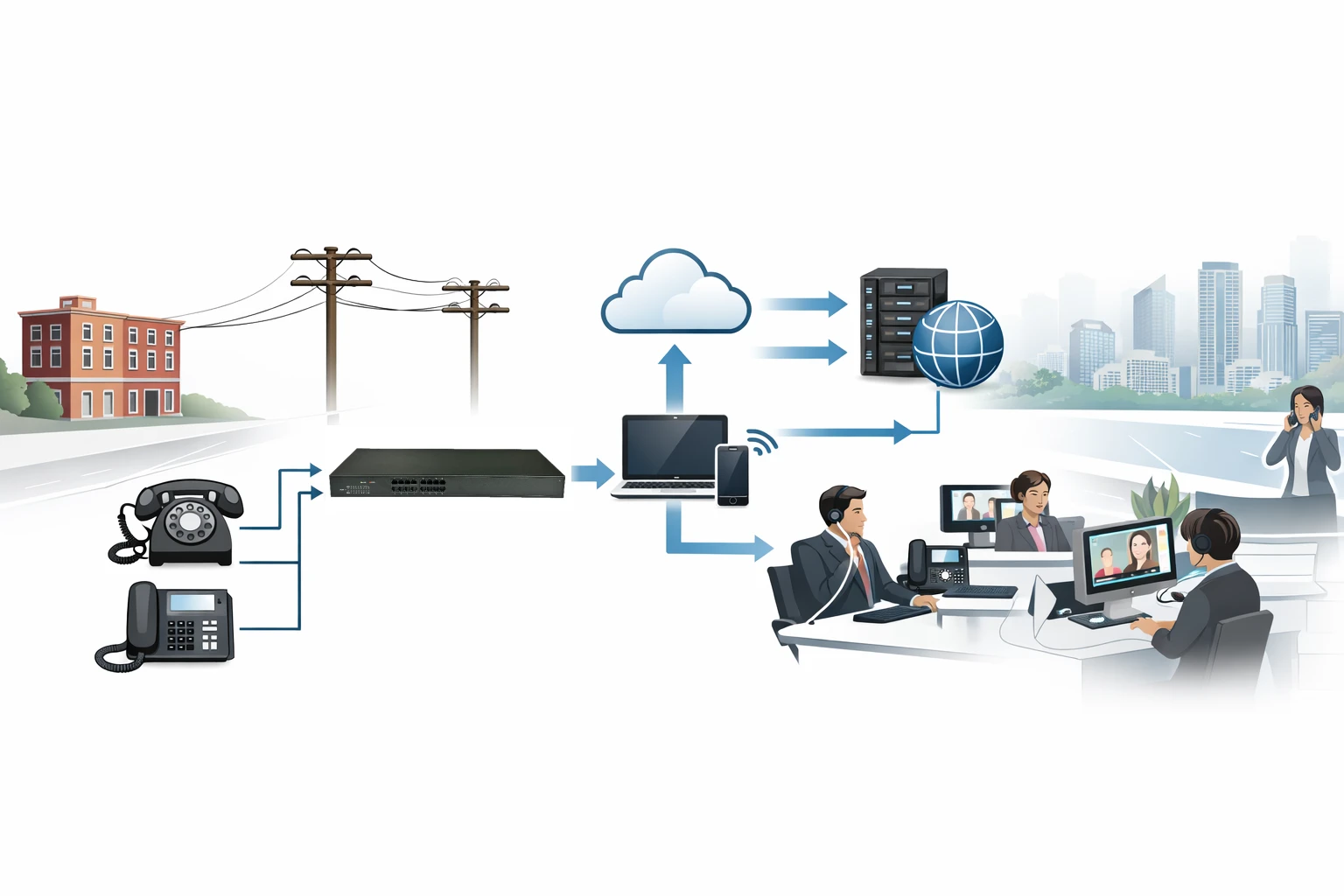
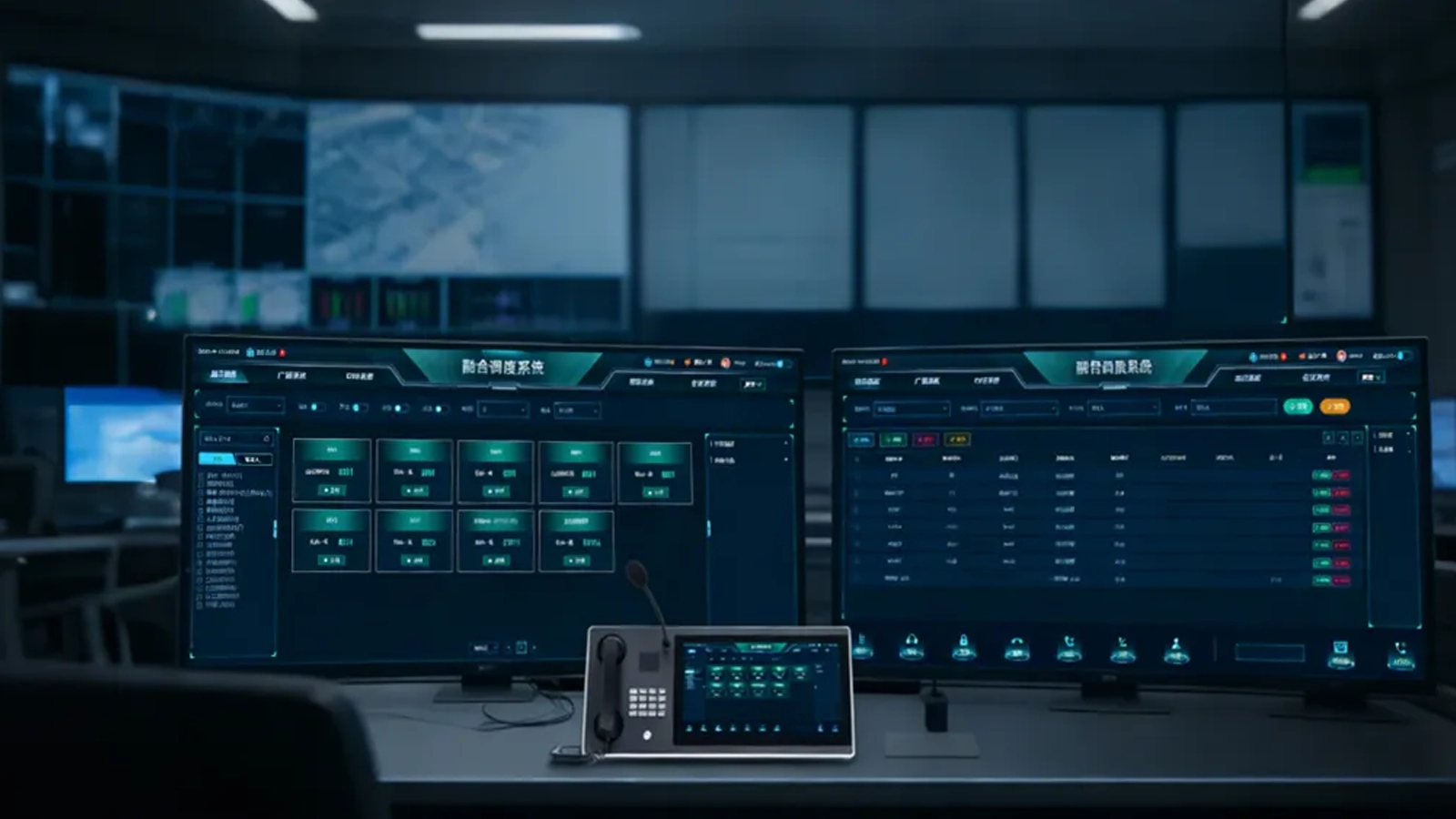
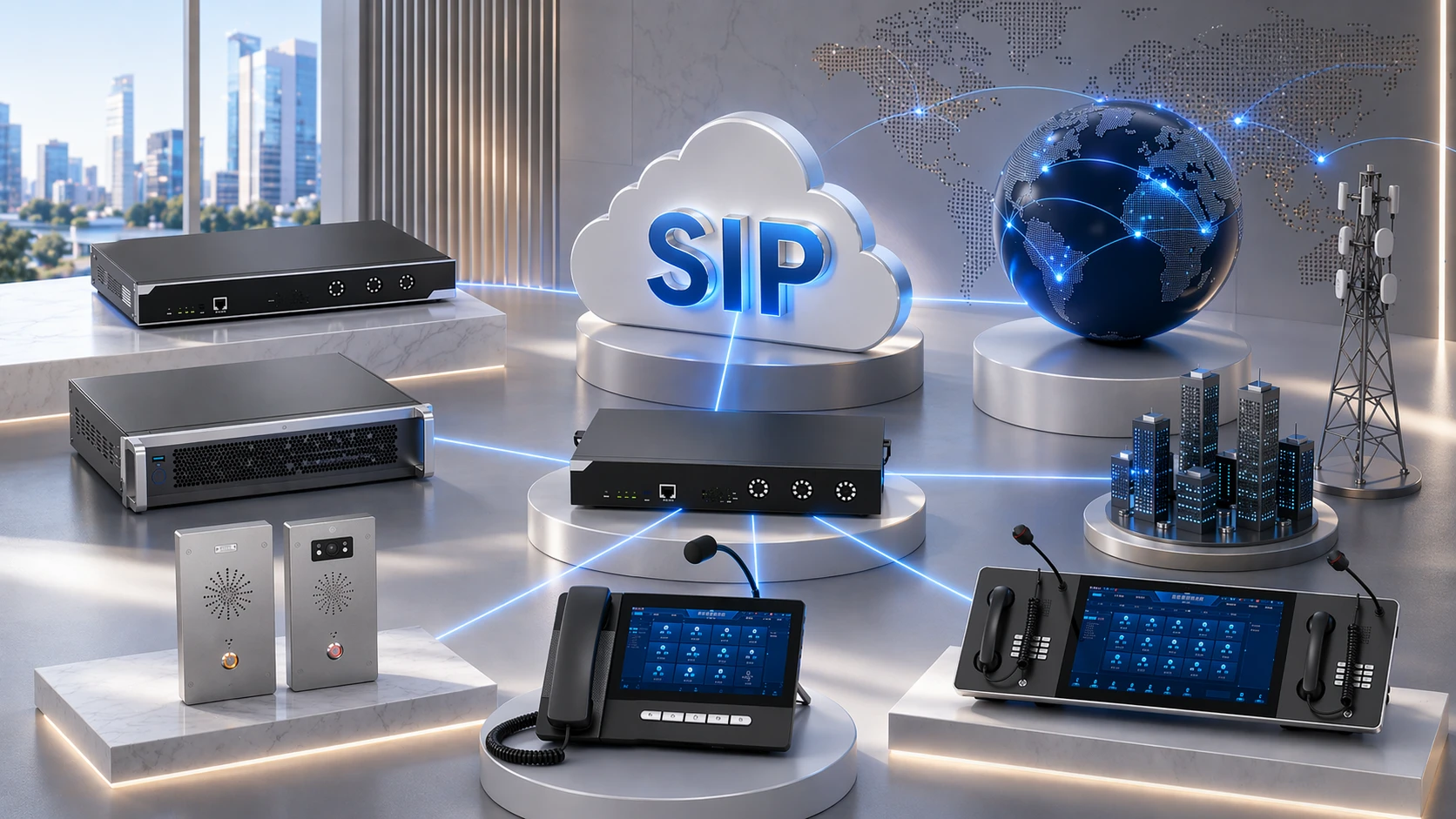
An FXO gateway serves as a bridge between analog telephone lines and an IP voice platform.
What Is an FXO Gateway?
An FXO gateway is a hardware gateway equipped with one or more FXO ports. These ports connect to analog lines from the public switched telephone network or to analog trunk or station interfaces on a traditional PBX. On the IP side, the gateway connects to an Ethernet network and communicates with an IP PBX, SIP softswitch, or cloud voice system using IP protocols.
Its main role is protocol and media conversion. The device translates analog call events such as off-hook, ring, caller ID, line voltage changes, and disconnect supervision into SIP signaling and digital media streams. In the opposite direction, it converts SIP call setup and RTP audio into the signaling and audio conditions expected by an analog line.
In simple terms, an FXO gateway lets an IP telephony system use analog lines as if they were external call routes. That is why it is often selected when organizations want to preserve local analog trunks, keep emergency fallback lines, or integrate an IP system with older telephony infrastructure without replacing everything at once.
How Does an FXO Gateway Work?
An FXO gateway has two different operating sides. The first side is the analog line side, where the FXO ports connect to PSTN lines or analog interfaces from another telephony system. The second side is the IP network side, where the gateway registers to or communicates with a SIP server, IP PBX, or cloud communications platform.
When an incoming call arrives from the PSTN, the analog line sends ringing voltage to the FXO port. The gateway detects the ringing event, collects caller ID information when supported, and generates a corresponding SIP call toward the configured IP destination, such as a SIP extension, ring group, or IVR. After the call is answered on the IP side, the gateway converts the analog audio into IP media packets and maintains the session in both directions.
For outgoing calls, the process works in reverse. A user on the IP system dials an outside number. The IP PBX routes the call to the FXO gateway according to its dial plan. The gateway then seizes an available analog line, presents the dialed digits to the PSTN or PBX line interface, and bridges the voice session between the IP endpoint and the analog line.
Core Functional Steps
The operating sequence of an FXO gateway typically includes several coordinated functions:
- Line detection: The gateway monitors line voltage, ringing, off-hook state, and supervisory conditions.
- Call signaling conversion: Analog events are translated into SIP messages such as INVITE, 180 Ringing, 200 OK, and BYE.
- Digit processing: Dialed numbers are matched against routing rules, digit manipulation policies, or number normalization logic.
- Media conversion: Analog voice is digitized and encoded into RTP streams using configured codecs.
- Echo and tone handling: DSP resources manage echo cancellation, tone detection, silence handling, and audio gain adjustment.
- Disconnect supervision: The gateway interprets polarity reversal, battery drop, CPC, busy tone, or other release indications to clear calls properly.
Typical Call Flow Example
- A customer calls the company’s local analog PSTN number.
- The PSTN line rings the connected FXO port on the gateway.
- The gateway detects the call and sends a SIP INVITE to the IP PBX.
- The PBX routes the call to a receptionist phone, queue, or IVR.
- Once answered, the gateway converts analog voice to RTP audio.
- When either side hangs up, the gateway detects the disconnect condition and releases both call legs.
This bridging function seems simple at a high level, but stable deployment depends on many analog variables, including local telco signaling behavior, caller ID format, line supervision method, and whether the circuit uses loop start or ground start operation.
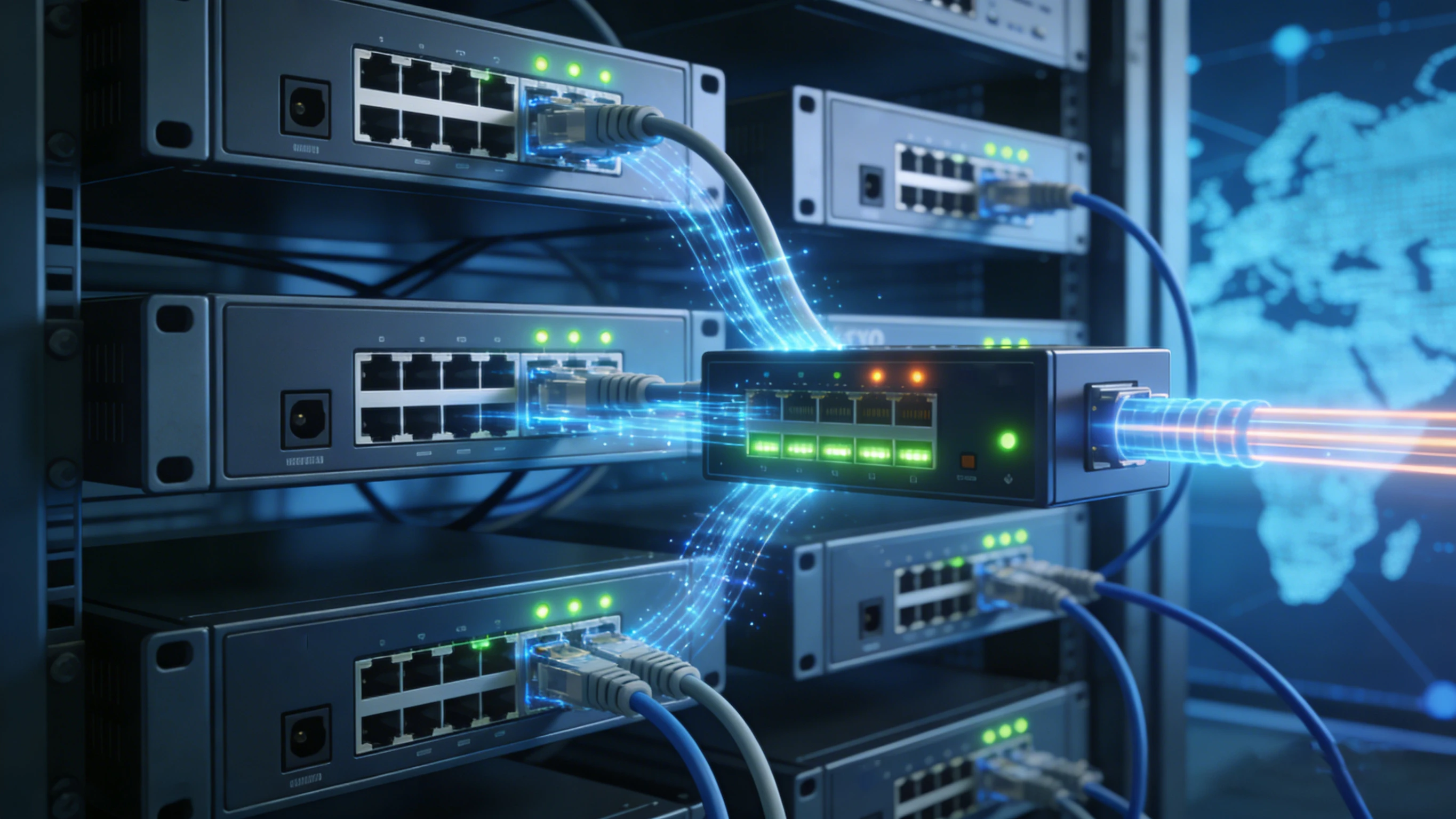
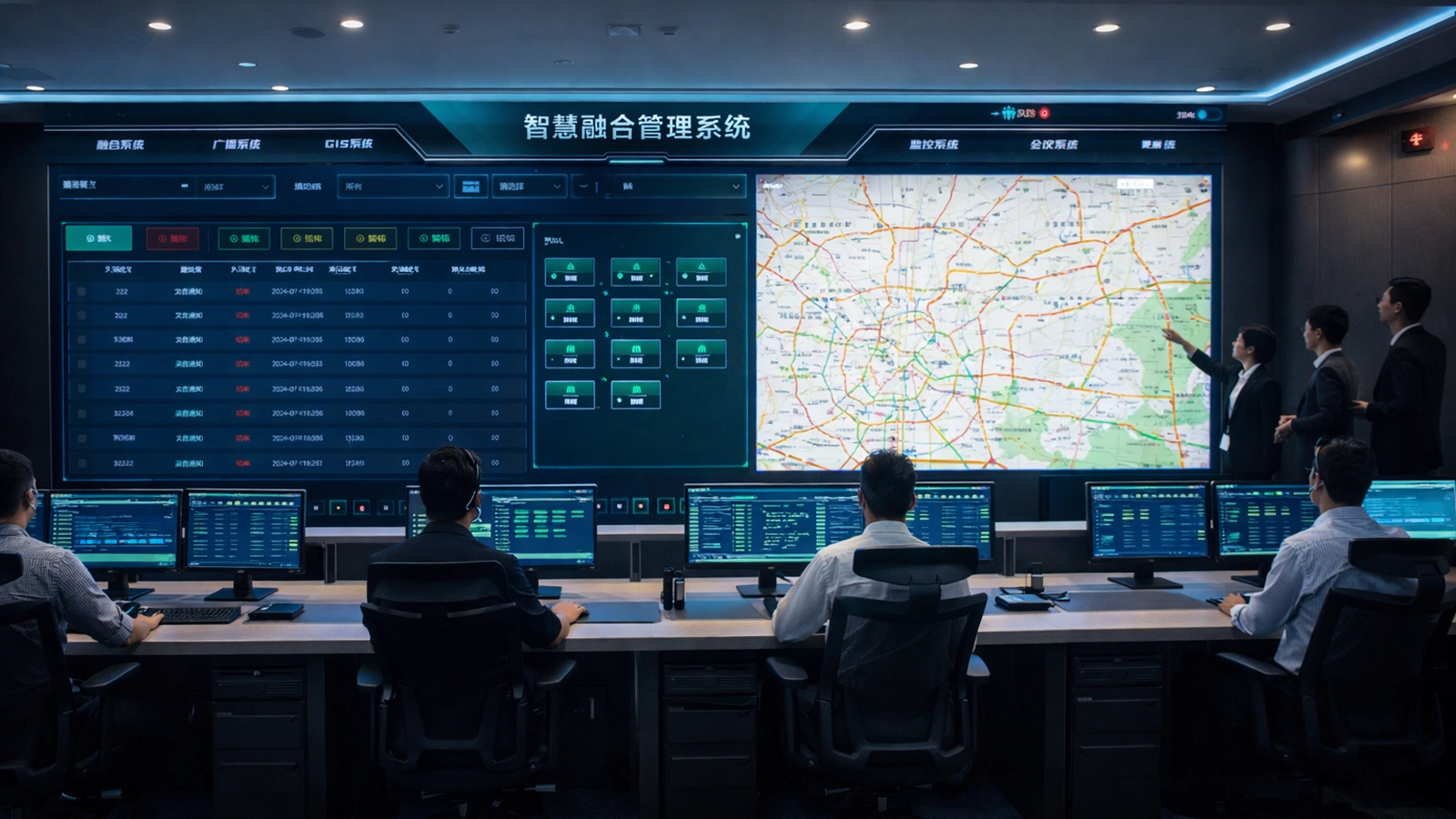
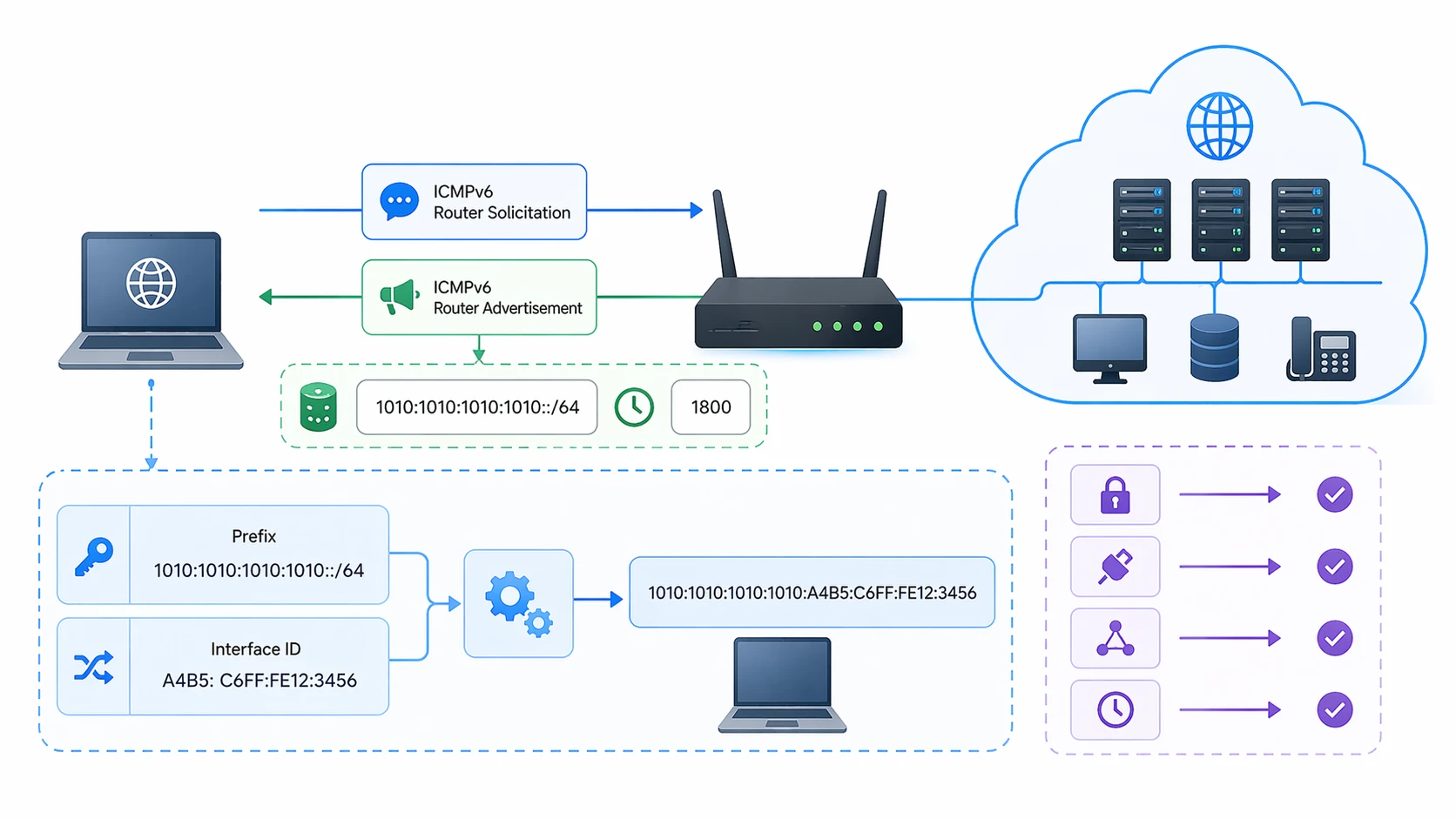
An incoming analog call can be converted into a SIP session and delivered to IP phones, queues, or IVR services.
FXO Gateway vs FXS Gateway
FXO and FXS are closely related terms, but they do not mean the same thing. Understanding the distinction is essential when selecting analog voice hardware.
An FXO port is designed to connect to a line that supplies battery and ringing. In other words, it expects to face the network or a line-providing interface. An FXS port does the opposite. It supplies battery, dial tone, and ringing to an analog endpoint such as a telephone, fax machine, or analog intercom.
As a result, an FXO gateway is usually used when the goal is to bring analog outside lines into an IP system, while an FXS gateway is used when the goal is to connect analog devices to an IP system. In many real projects, both may appear together, but they solve different connectivity problems.
| Item | FXO Gateway | FXS Gateway |
|---|
| Main purpose | Connect analog PSTN or PBX lines to IP telephony | Connect analog phones or fax devices to IP telephony |
| Port behavior | Acts like a telephone toward the line side | Acts like a line provider toward the endpoint |
| Typical peer device | PSTN line, CO line, PBX analog trunk | Analog phone, fax, speakerphone, intercom |
| Common use case | Outbound PSTN access and inbound analog line routing | Retaining analog endpoints in an IP system |
Key Features of an FXO Gateway
The specific feature set depends on vendor, model, and platform integration, but modern FXO gateways typically include a common group of functions that support hybrid voice deployment.
1. Analog Trunk Connectivity for IP PBX Systems
The most basic feature is the ability to connect one or more analog PSTN lines to an IP-based phone system. This gives an organization local call breakout, inbound analog number access, or fallback voice routes when SIP trunks are unavailable.
2. SIP Interoperability
Most FXO gateways are designed to work with SIP-based systems. They may support SIP registration, peer mode, direct IP trunking, codec negotiation, DTMF transport options, and interoperability settings for IP PBX platforms, softswitches, or hosted voice services.
3. Call Routing and Number Manipulation
Gateways often include flexible routing logic. Administrators can define which analog line should be used for specific prefixes, business hours, emergency numbers, or branch traffic. Digit stripping, prefix insertion, normalization, and caller ID presentation settings are also common.
4. Voice Processing and Echo Cancellation
Analog line integration can introduce impedance mismatch and echo. For this reason, FXO gateways usually include DSP-based voice processing, including echo cancellation, gain control, silence suppression options, and tone handling that helps improve call quality.
5. Caller ID and Disconnect Supervision Handling
Reliable operation depends on local line behavior. A well-designed FXO gateway supports regional caller ID standards and multiple disconnect supervision methods, such as polarity reversal, battery drop, CPC, tone-based release detection, or timer-based clearing.
6. Fax and Modem Compatibility Options
Some deployments still require fax support over analog lines. Many gateways provide fax-related options such as codec control, passthrough tuning, or T.38 support on the IP side, although performance always depends on the end-to-end environment and service provider behavior.
7. Web Management and Monitoring
Most business-grade gateways offer a web interface, CLI, provisioning tools, syslog, SNMP, alarms, performance counters, and configuration backup functions. These features simplify deployment and troubleshooting, especially in multi-site installations.
8. Redundancy and Survivability
In hybrid voice networks, FXO gateways are often used as resilience devices. They can provide local PSTN access when WAN connectivity is lost, maintain emergency calling paths, or act as backup routes when a SIP trunk or primary IP PBX service becomes unavailable.
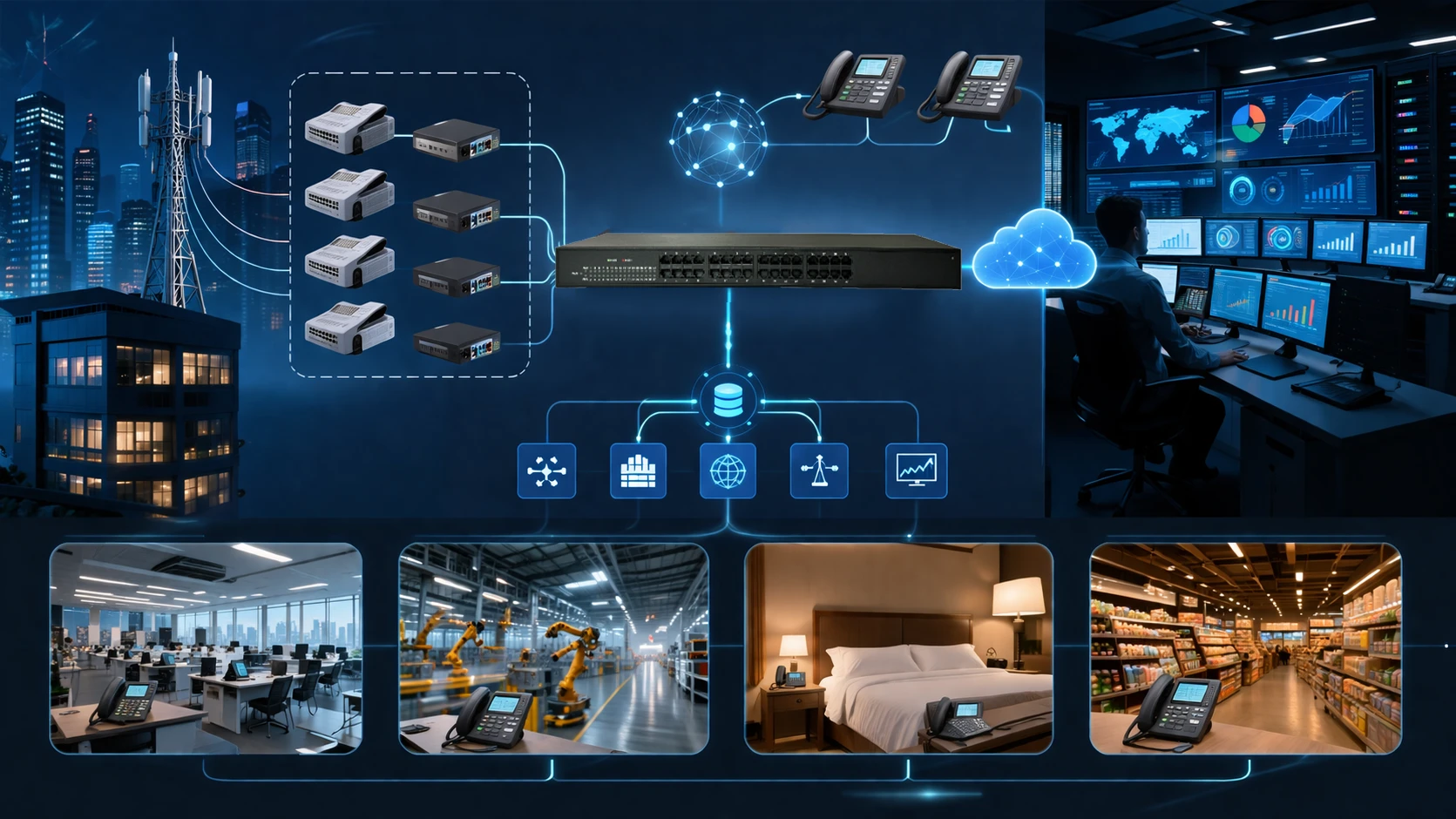
Business-grade FXO gateways often combine analog trunk access, SIP interoperability, routing control, and centralized management.
Common Applications of FXO Gateways
FXO gateways are used in many industries because they solve a very practical problem: how to retain analog line connectivity while moving voice services to IP networks.
VoIP Migration Projects
When a business replaces a traditional PBX with an IP PBX, it may still need to keep existing analog outside lines for a period of time. An FXO gateway allows the new IP system to use those lines immediately without waiting for a full carrier migration.
Branch Office PSTN Access
Remote offices often need local call breakout for cost control, local number identity, or business continuity. An FXO gateway can provide that local analog access while the office still participates in a centralized IP telephony architecture.
Backup Calling Paths
Even organizations that primarily use SIP trunks may keep one or more analog lines for emergency fallback. In the event of WAN disruption, SIP service failure, or platform maintenance, the FXO gateway can preserve limited but critical calling capability.
Integration with Legacy PBX Systems
Some enterprises need to connect an IP communications platform to a legacy PBX for phased migration, shared numbering, or inter-system calling. In these scenarios, FXO interfaces may be used to link analog trunk ports between systems.
Hospitality, Retail, and Small Business Telephony
Hotels, shops, clinics, and small offices often have local analog line service and a gradual technology upgrade path. FXO gateways provide a practical way to add IP endpoints, call recording, IVR, or remote management without removing every analog dependency at once.
Industrial and Utility Sites
Factories, substations, utility facilities, and remote stations may continue to rely on local analog lines because of carrier availability, resilience strategy, or legacy alarm integration. An FXO gateway can bring those lines into a modern voice or dispatch environment while preserving local access.
Deployment Considerations
Choosing an FXO gateway is not only about port count. Stable operation depends on telephony signaling details, regional line characteristics, and the way the gateway interacts with the IP voice platform.
Port Density and Capacity
Start by determining how many analog lines must be connected now and how many may be needed later. The number of simultaneous PSTN calls is directly tied to the number of available FXO ports unless the design includes alternative trunk types.
Loop Start and Ground Start Compatibility
Analog line interfaces may use loop start or ground start signaling. The gateway and connected service must match the signaling method required by the PSTN or PBX environment to avoid seizure conflicts, glare, or unreliable line behavior.
Regional Line Parameters
Country-specific settings matter. Ring cadence, impedance, caller ID standard, tone plan, and line voltage behavior vary by region. A gateway intended for international deployment should support country templates or granular analog tuning.
Disconnect Supervision
One of the most common analog integration issues is failed call release. If the gateway does not correctly detect how the far end signals disconnection, calls may remain stuck or billing may continue unexpectedly. Proper support for CPC, polarity reversal, busy tone detection, and related methods is essential.
Codec and Network Quality
Although the analog side remains unchanged, the IP side still depends on codec choice, packet timing, jitter performance, and QoS policy. G.711 is often preferred for best transparency on PSTN interworking, while compressed codecs may be used where bandwidth is constrained.
Security and Management
If the gateway is SIP-connected across a managed IP network, secure provisioning, account control, firmware management, access restrictions, and logging should be part of the design. Hybrid voice systems still need the same administrative discipline as other IP infrastructure.
Benefits of Using an FXO Gateway
An FXO gateway offers several practical benefits in real deployments. First, it protects existing telecom investment by allowing organizations to keep analog lines while modernizing the rest of the voice network. Second, it reduces migration pressure because IP telephony can be introduced in stages rather than through a disruptive full replacement. Third, it improves flexibility by giving the IP PBX additional route choices for local, backup, or special-purpose calling.
In many cases, it also improves service continuity. A site that loses SIP trunk access may still be able to place essential calls through analog PSTN lines if those lines are connected through an FXO gateway. That is one reason hybrid designs remain relevant even in environments that are otherwise moving toward fully IP-based communications.
Limitations to Understand
FXO gateways are useful, but they are not the best answer for every scenario. Analog trunks have limited channel capacity, variable signaling behavior, and fewer advanced service capabilities than fully digital or SIP-based connections. They may also require more careful tuning, especially in cross-vendor or international deployments.
For larger systems, SIP trunks, PRI, or other digital interconnects may offer greater scalability and more predictable service behavior. However, where analog lines remain operationally valuable, an FXO gateway continues to be a practical and cost-effective bridging tool.
Frequently Asked Questions
Is an FXO gateway the same as a VoIP gateway?
An FXO gateway is a type of VoIP gateway, but not every VoIP gateway is an FXO gateway. The FXO label specifically refers to gateways that connect to analog line interfaces such as PSTN or PBX analog trunks.
Can an FXO gateway connect directly to an analog phone?
Not in the normal way. An analog phone usually needs an FXS interface, not an FXO interface. An FXO gateway is designed to face a line-providing port rather than an analog endpoint.
Can an FXO gateway be used with a cloud PBX?
Yes. Many FXO gateways can register to a cloud PBX or SIP service and present local analog lines as external call routes, provided the hosted platform supports the integration model.
Why do some FXO deployments have call disconnect problems?
Analog line supervision varies by carrier and region. If the gateway’s disconnect detection parameters do not match the actual line behavior, the system may fail to clear calls correctly after one party hangs up.
When should I choose an FXO gateway instead of SIP trunking?
An FXO gateway is often chosen when analog lines already exist, when SIP trunks are unavailable or not preferred, when local PSTN backup is needed, or when a phased migration strategy makes analog retention desirable.
Does an FXO gateway support fax?
Many models can be used in fax-related deployments, but success depends on line quality, codec settings, network conditions, and whether the environment supports fax passthrough or T.38 appropriately.
Conclusion
An FXO gateway is a practical bridge between analog telephone lines and modern IP communication systems. By converting line-side analog signaling into SIP-based voice sessions, it allows organizations to retain PSTN connectivity, preserve legacy interconnection, and build hybrid voice architectures that support gradual migration.
For businesses that still depend on analog outside lines, emergency backup routes, or legacy PBX interoperability, the FXO gateway remains a relevant and effective solution. The best results come from selecting the right port density, matching local signaling characteristics, and integrating the gateway carefully with the broader IP telephony environment.