Introduction
Overview
This document describes the audio self-test (echo self-test) function for industrial intercom and door phone devices.
The function tests the speaker and microphone by playing audio through the speaker and capturing it via the microphone, enabling remote diagnostics of audio components.
Applicable Models
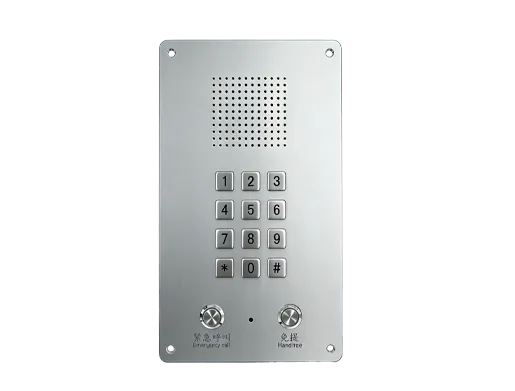
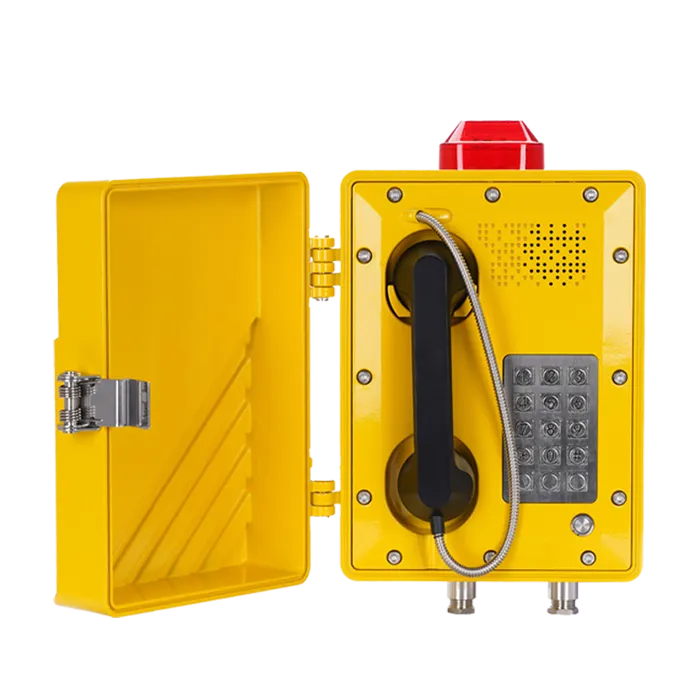
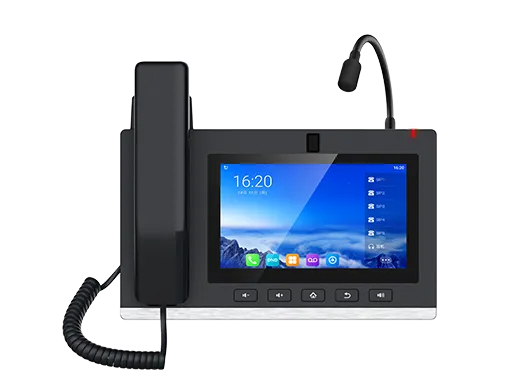
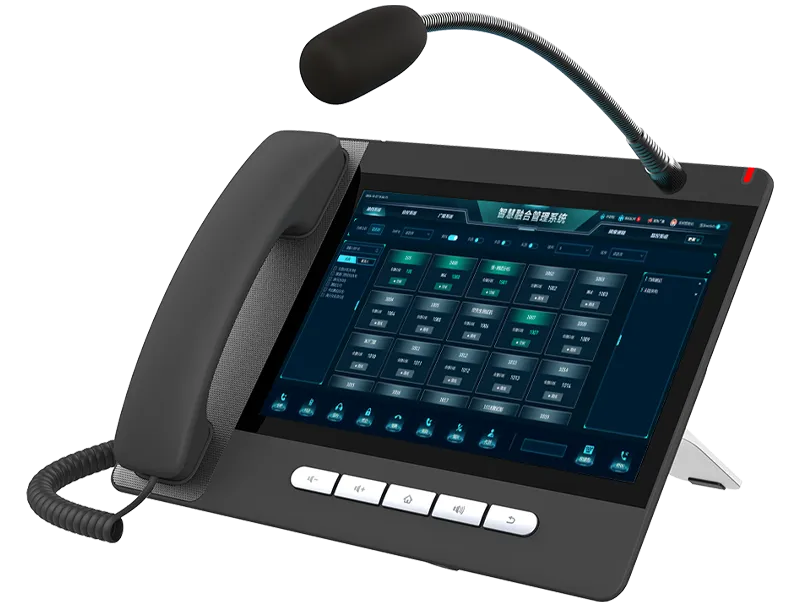
BHP-SOS12, BHP-SOS11, BHP-SOS16V, BHP-SOS18, Bi20S, Bi30, Bi32V, Bi33V, BHP-SOS10V, BK-DAB-PA3, BK-DAB-PA2S
How Audio Self-Test Works
The device plays a test tone through the speaker, then records via the microphone. It measures the received audio percentage:
- Above threshold = Test Success
- Below threshold = Test Failure
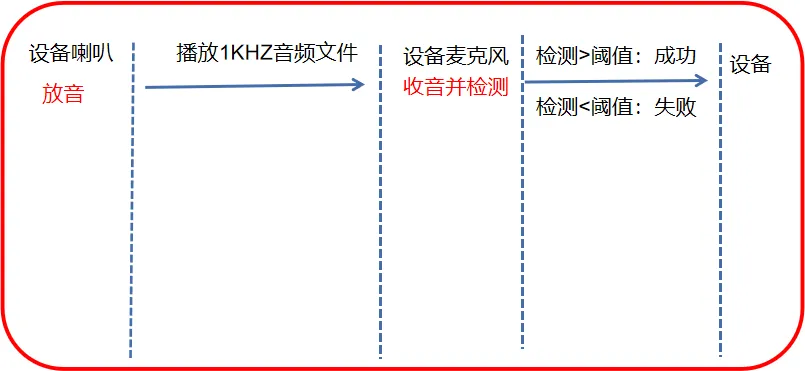
Figure 1 Audio Self-Test Schematic
Application Scenarios
Used for remote equipment inspection, especially when broadcast audio is missing or interrupted.
Reduces on-site maintenance costs and improves efficiency.
Prerequisites & Tools
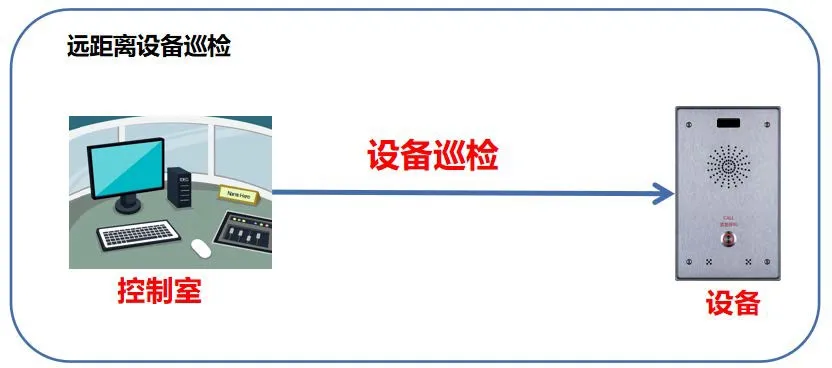
Figure 2 Audio Self-Test Scene
- 1 industrial intercom (e.g., BHP-SOS12), PoE switch, Keneng server
- Configuration PC connected to the same LAN
Device & PC Connection Diagram
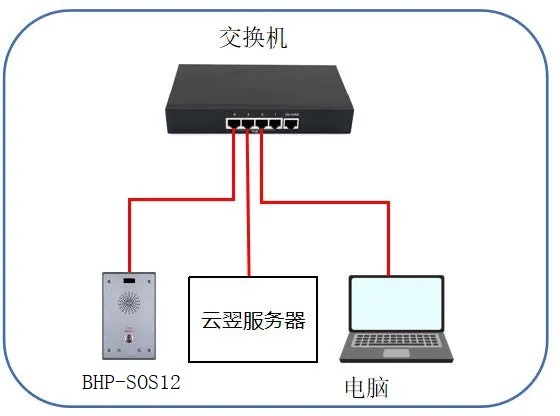
Figure 3 Device & PC Connection Diagram
Operation Guide
Four methods are available for echo self-test:
1. Active URI Method
Trigger via HTTP GET request from a remote console.
Format: http://device-ip/cgi-bin/ConfigManApp.com?key=ECHO_TEST
Result:
- Success: Speaker and mic working
- Failure: Speaker/mic disconnected or faulty
Example: http://172.18.8.15/cgi-bin/ConfigManApp.com?key=ECHO_TEST

Figure 4 Active URI Audio Self-Test
2. HTTP API Method
XML-based API for third-party integration.
Request URL: http://device-ip/xmlservice (POST)
Request XML:
URI="cmd:echo_test"
Response XML:
URI="cmd:echo_test"
0
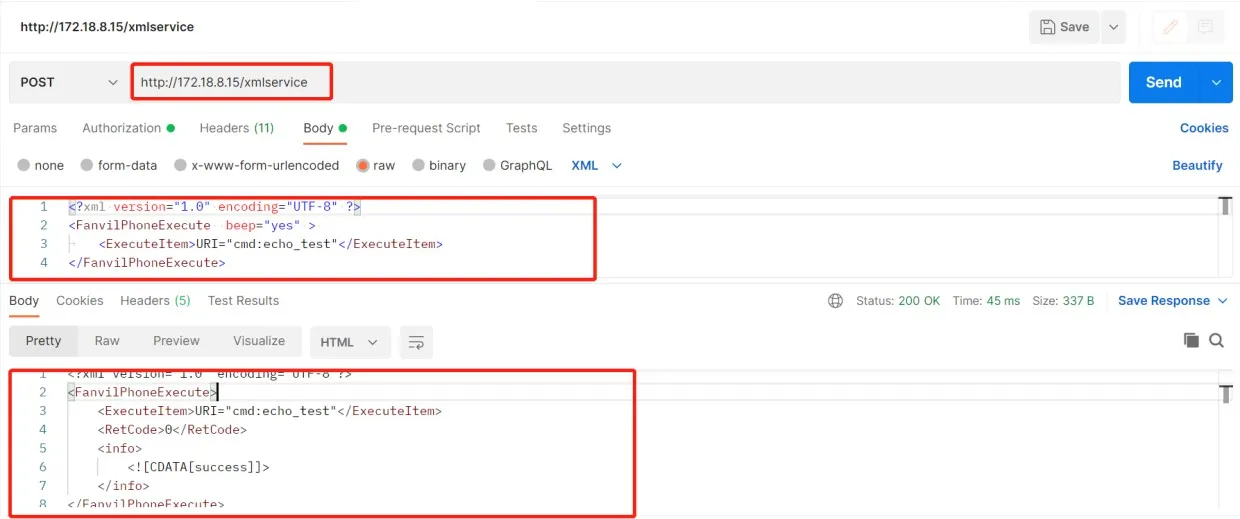
Figure 5 HTTP API Audio Self-Test
3. Time Plan Method
Schedule automatic self-test and report results via Action URL.
- Log into web UI → Intercom → Time Plan → Time Plan Rule
- Action Type: Audio Self-Test
- Set execution time
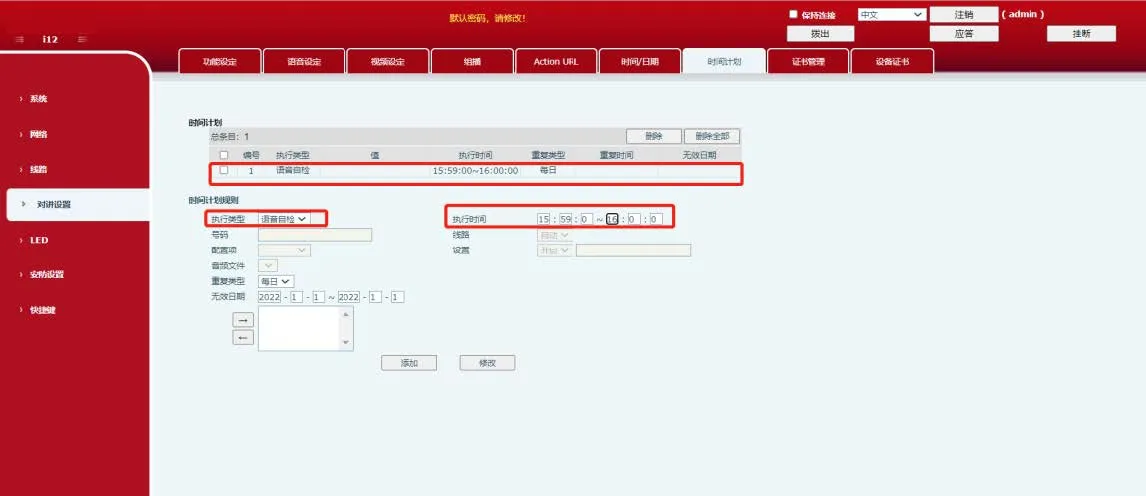
Figure 6 Time Plan Audio Self-Test
4. SIP Message Method
Run self-test via SIP server in public network environments.
- Device registers SIP account on server
- Create self-test task on Keneng server
- Run task: view Success/Failure on server
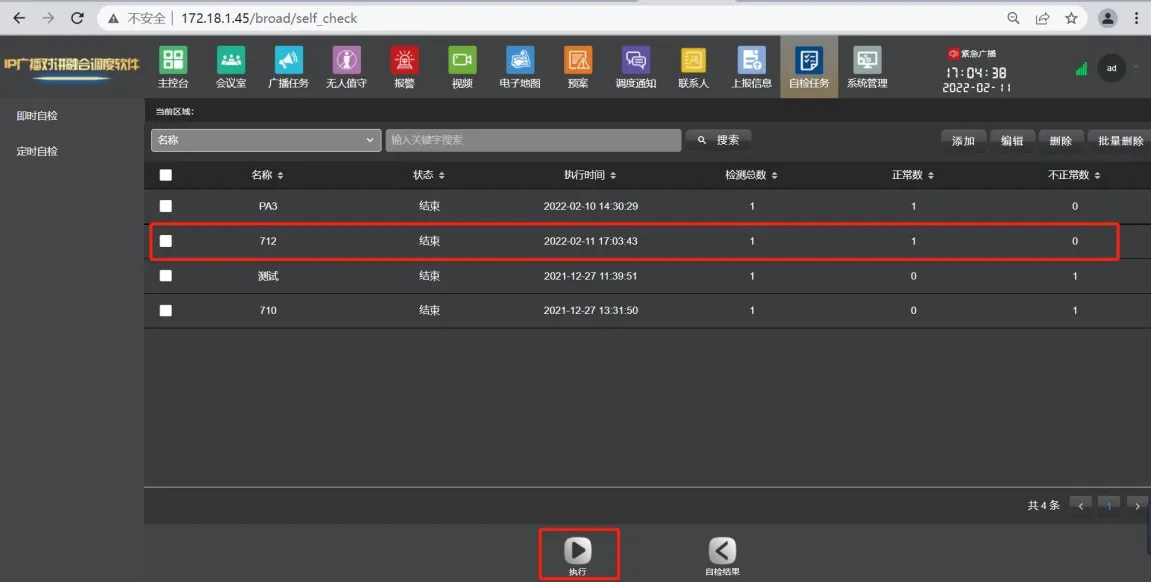
Figure 7 SIP Message Audio Self-Test
Packet Capture Verification:
- Web UI → System → Tools → Packet Capture → Start
- Run self-test → Stop capture
- Open in Wireshark → filter sip
- Check MESSAGE body: Success / Fail
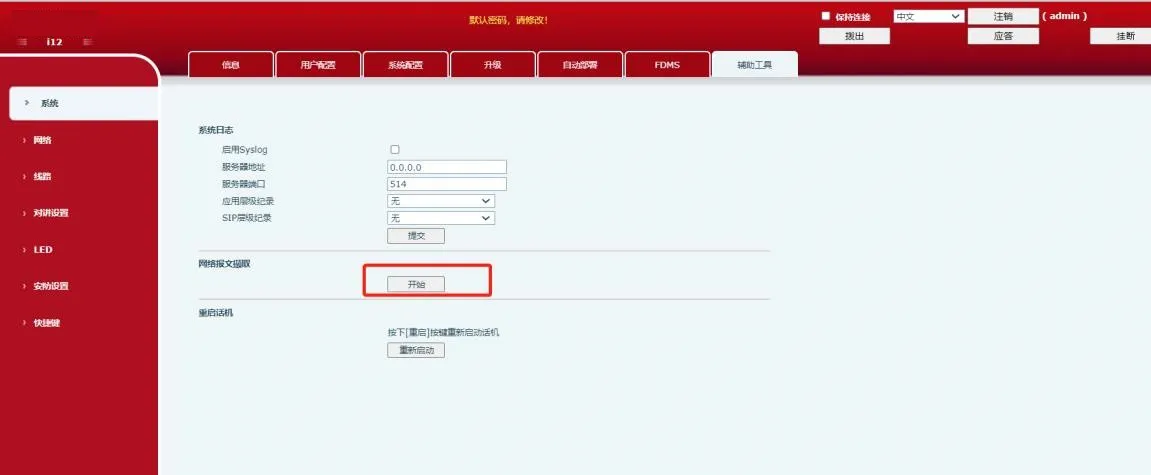
Figure 8 Device Packet Capture
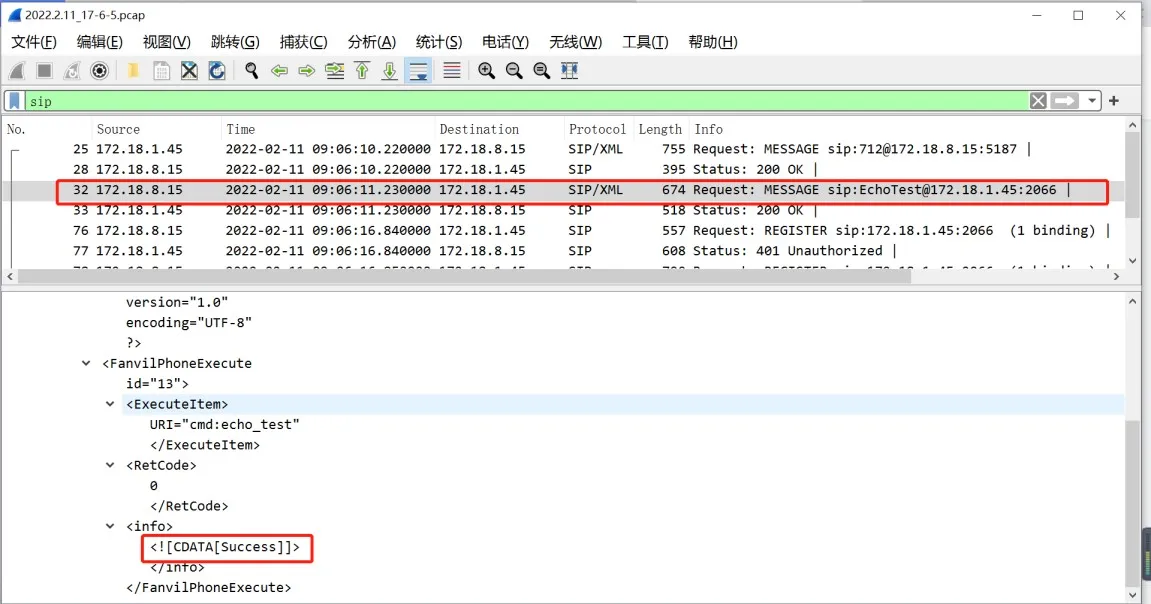
Figure 9 Check Result via Packet Capture
Troubleshooting: Self-Test Failure
- Check Connections
- Speaker disconnected = Test fails
- Microphone disconnected = Test always fails
- Check Components
- Verify speaker and microphone are not damaged
- Contact support if components are good but test fails
- Check Environment
- Test uses 1KHz tone
- Ambient 1KHz noise may cause false success
- Test in quiet environment