How IP PBX and Surveillance Systems Work Together for Smarter Security Operations
Discover how Becke Telcom’s industrial IPPBX works with surveillance systems to unify video monitoring, intercom, paging, alarm linkage, and security response for smarter operations across complex sites.
Becke Telcom
How IP PBX and Surveillance Systems Work Together for Smarter Security Operations
Security operations are more effective when video awareness and real-time communication work together. A surveillance system can capture events, confirm activity, and provide visual evidence, but cameras alone do not coordinate responders, issue instructions, or connect the right people fast enough during an incident. That is where IP PBX integration becomes valuable.
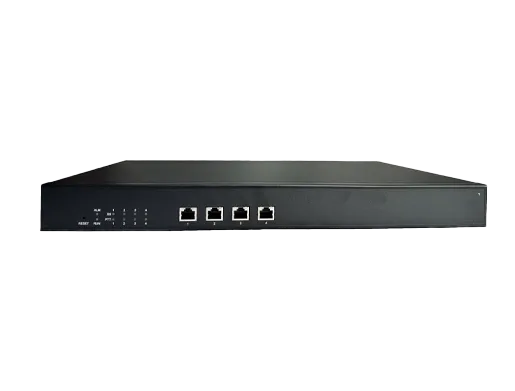
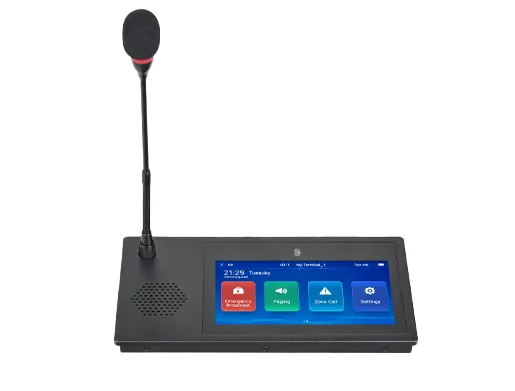
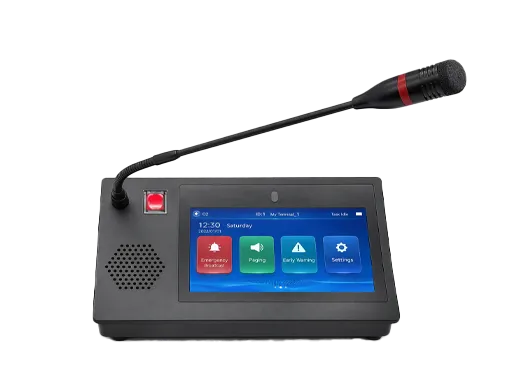
In this article, IP PBX refers to Becke Telcom’s industrial-focused IP PBX platform rather than a standard office-only phone system. It is designed to support voice communication together with SIP intercom, emergency help points, paging, broadcasting, dispatch workflows, and third-party monitoring integration. This allows surveillance systems to move beyond passive observation and become part of a faster, more connected security response process.
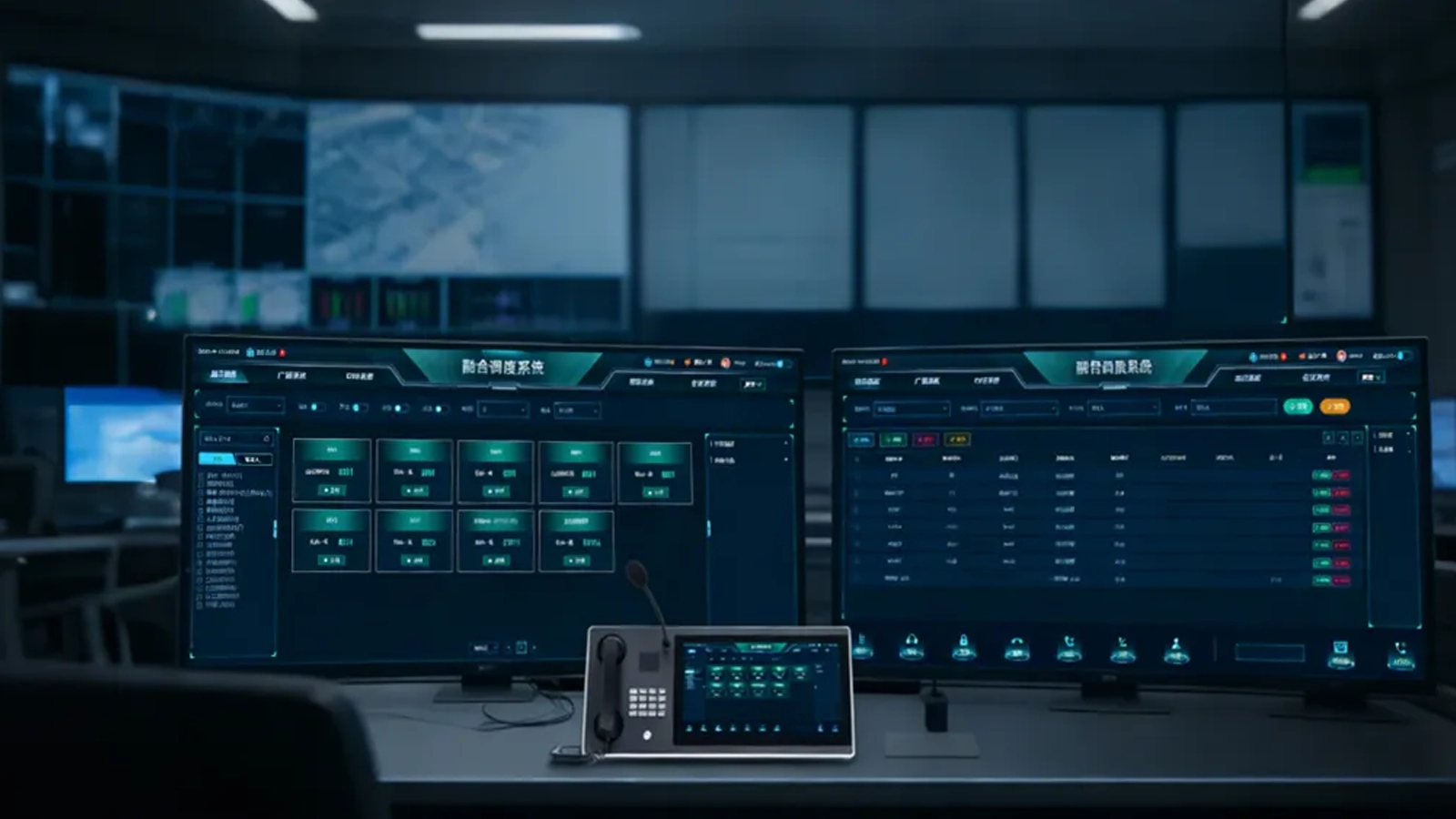
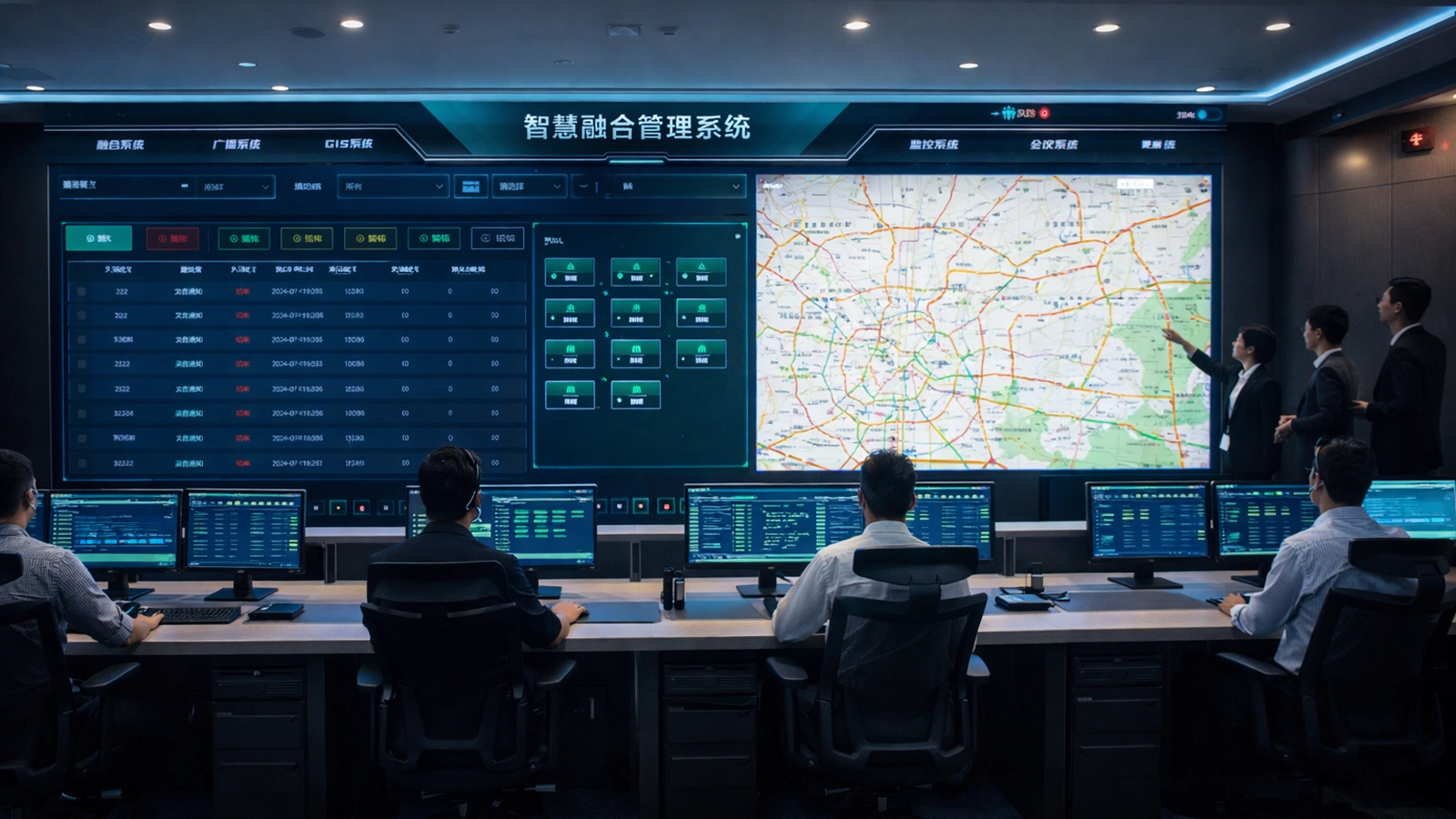
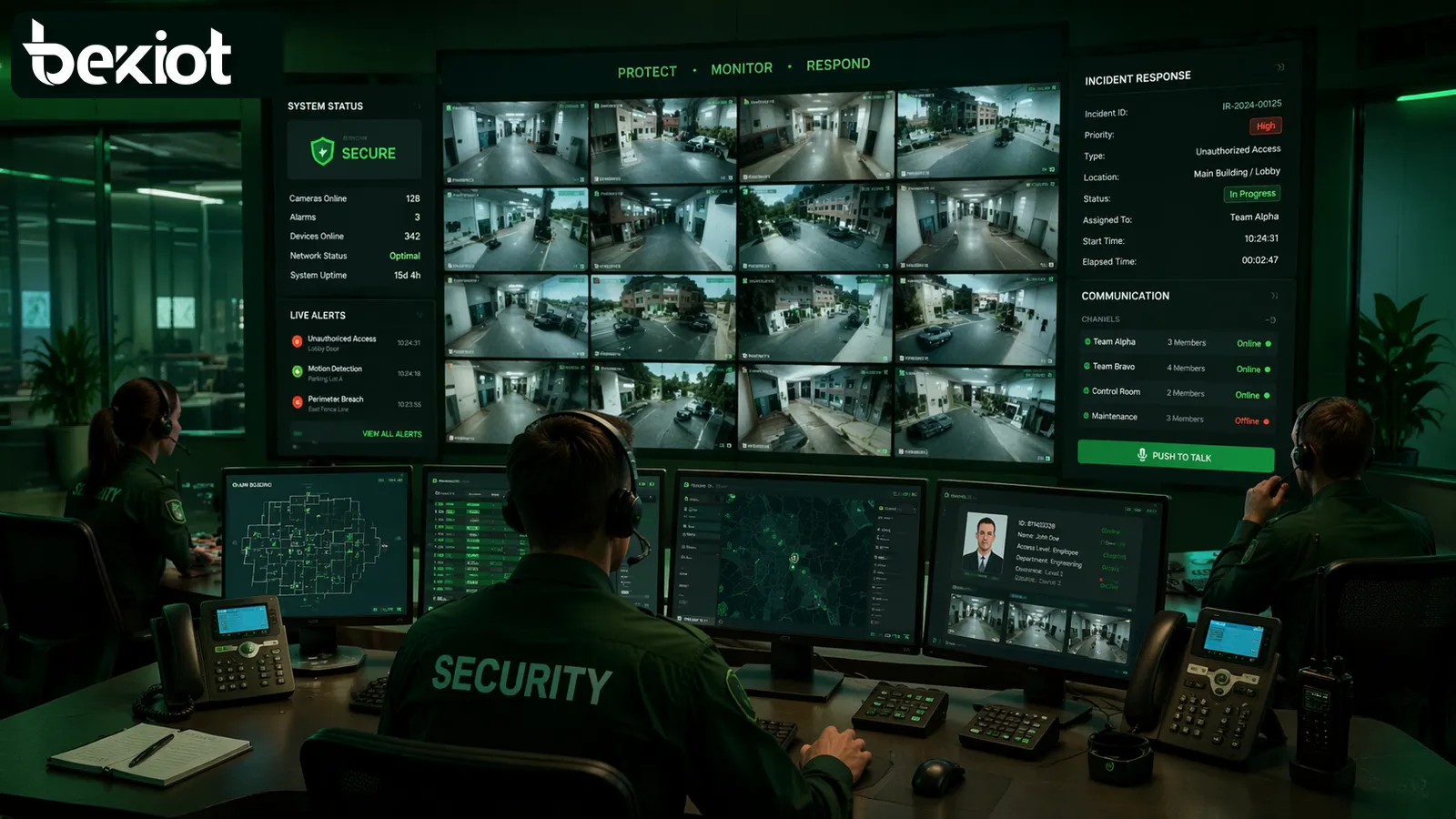
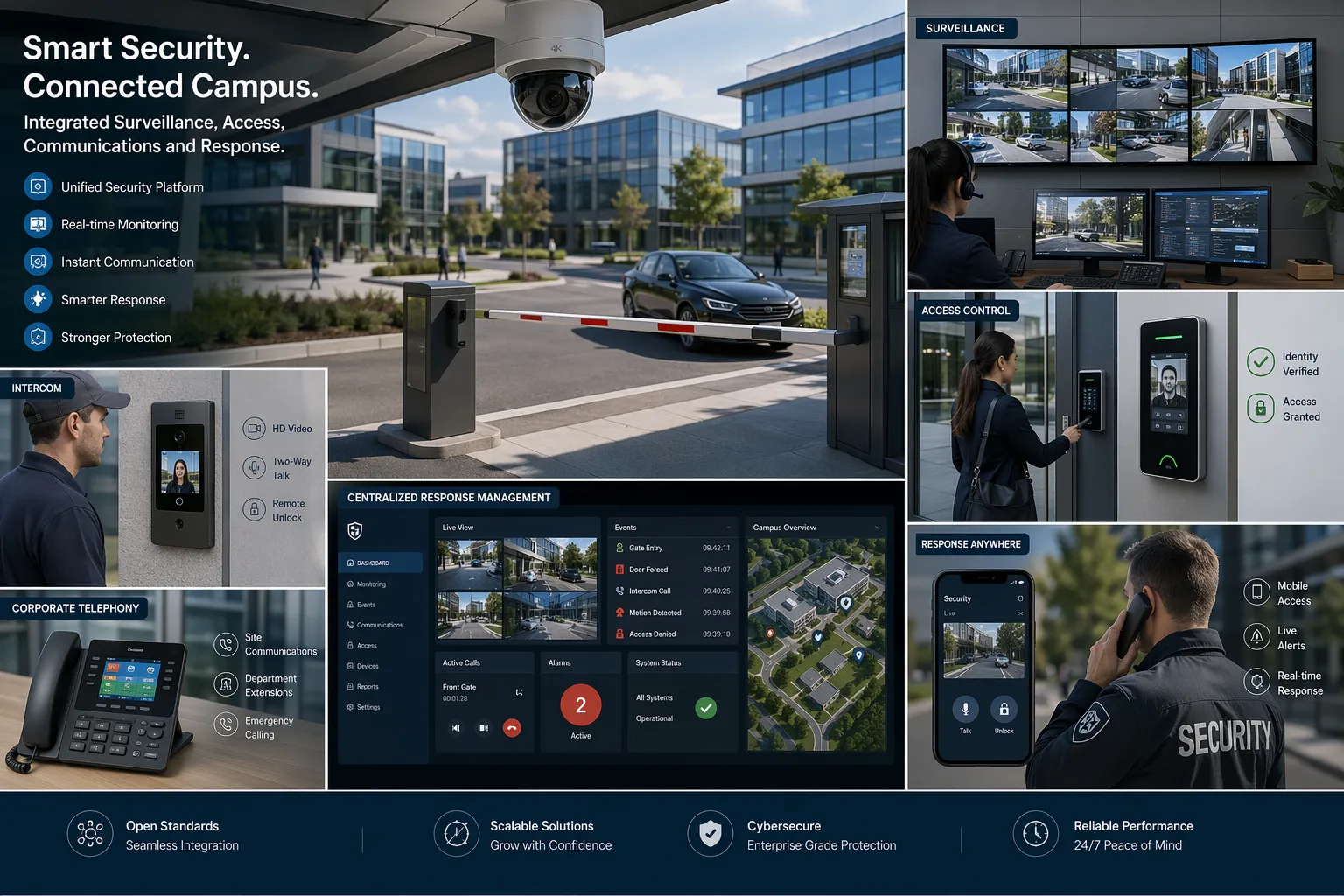
Unified security operations become more effective when surveillance and communications are managed together.
Why Surveillance and Communication Should Not Remain Separate
In many sites, surveillance, telephony, intercom, alarms, and public address still operate as separate systems. Operators may need to monitor video on one screen, place calls from another device, trigger announcements from a third platform, and then contact field staff through a separate channel. This slows response, increases operator workload, and makes incident handling less consistent.
A more effective approach is to connect these functions through an open SIP-based architecture so that monitoring, calling, intercom, broadcasting, and dispatch support each other instead of operating in isolation. Once surveillance is integrated with IP PBX, the control room can see an event, speak to the scene, notify responders, escalate the situation, and guide field actions within one connected workflow.
What Becke Telcom IP PBX Means in This Type of Integration
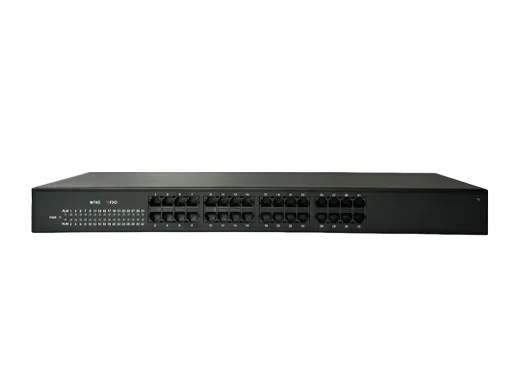
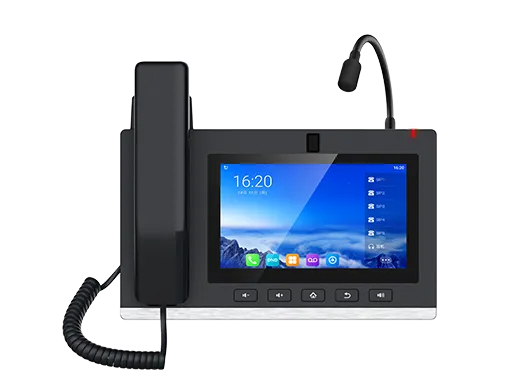
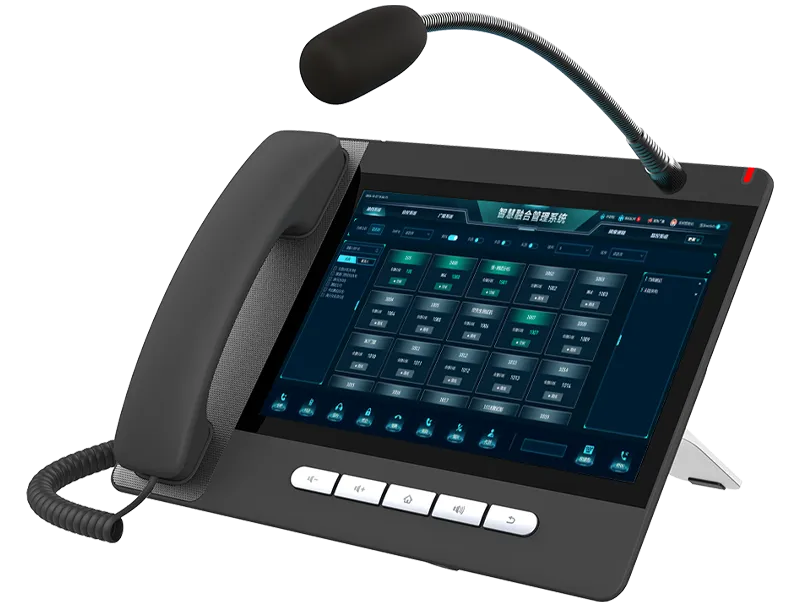
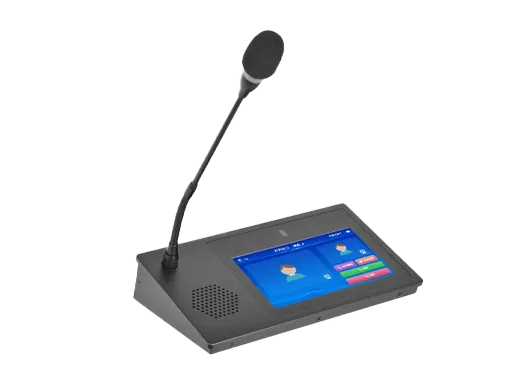
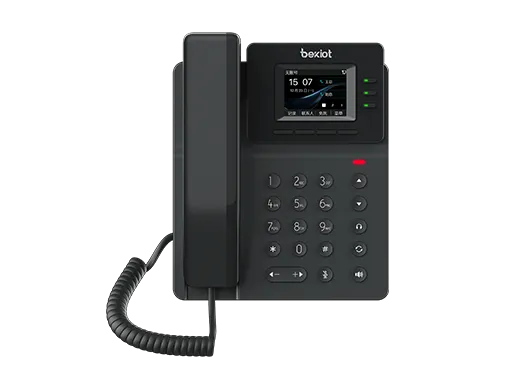
Becke Telcom IP PBX is not positioned as a voice-only PBX for office extensions. It is better understood as an industrial communication core that can connect desk phones, SIP intercoms, emergency terminals, paging devices, management consoles, mobile users, and linked video or alarm systems.
That broader role matters in real operating environments. Security communication in a campus, industrial plant, scenic site, park, tunnel, utility corridor, or transport facility usually involves more than extension dialing. Operators may need to answer emergency calls, speak through intercom devices, trigger zone broadcasting, transfer incidents to mobile staff, and coordinate multiple teams while checking live video feeds. Becke Telcom’s IP PBX model is designed for this kind of operational communication task.
How IP PBX and Surveillance Systems Work Together
Video Provides Immediate Situation Awareness
The surveillance system shows the operator what is happening. When a suspicious event, help request, access issue, or alarm occurs, live or linked video helps verify the scene quickly. This reduces uncertainty and helps distinguish real incidents from false alarms.
Visual confirmation is especially important in public areas, industrial zones, entrances, corridors, roadside locations, and remote facilities where the operator cannot rely on voice information alone.
IP PBX Enables Immediate Communication
After the event is verified, the IP PBX becomes the response engine. The operator can start a call, answer a help point, launch two-way intercom, reach a supervisor, notify a guard, or contact maintenance personnel without switching to a separate communication system.
This direct transition from video confirmation to voice coordination is one of the biggest reasons organizations integrate surveillance with Becke Telcom IP PBX. It shortens the gap between detection and action and helps teams respond with greater speed and confidence.
Intercom and Paging Extend the Response to the Field
Not every situation should be handled through a private phone call. In many cases, the operator needs to speak directly to the scene, make an area announcement, or issue instructions to people nearby. By connecting surveillance with intercom and paging through the IP PBX framework, the system can support one-to-one assistance as well as one-to-many warning or guidance.
This is highly useful for security warnings, emergency notifications, visitor assistance, crowd management, and routine operational coordination.
Dispatch Logic Connects the Right People
Incidents often involve several roles at once. A control room operator may need to involve a patrol guard, manager, technician, or mobile field responder. Becke Telcom IP PBX supports a dispatch-oriented communication model that makes it easier to transfer calls, escalate incidents, support group calling, and coordinate multiple teams from a centralized interface.
From one operator position, video verification and voice coordination can happen in the same workflow.
Key Integration Features That Matter in Real Security Operations
Video Linkage with Calls and Alarms
One of the most practical features is video linkage. When a help point, intercom terminal, or alarm device is activated, the associated camera view can appear automatically on the operator interface. This allows operators to see the environment and communicate with the scene in real time.
That combination improves both speed and decision quality. It also creates a better operator workflow because video and voice are no longer treated as separate tasks.
SIP Intercom and Emergency Assistance Integration
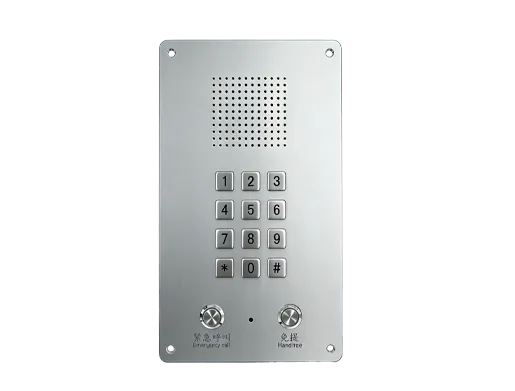
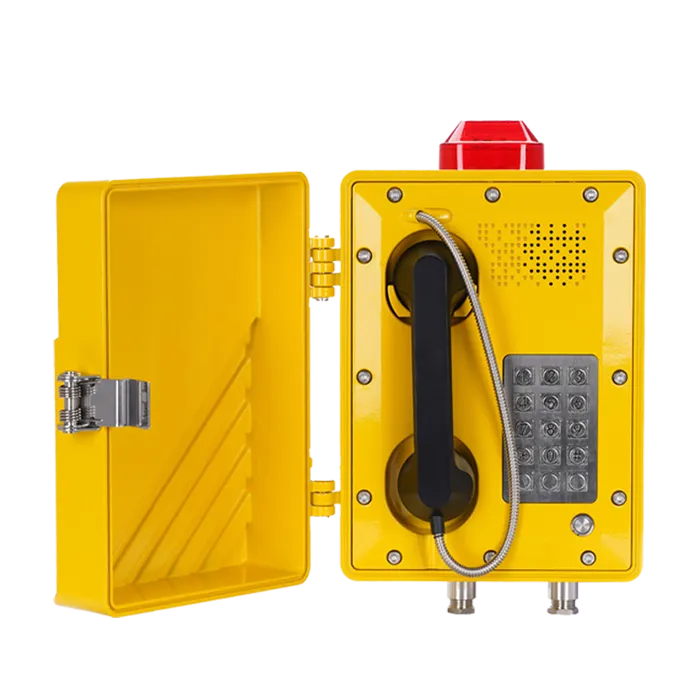
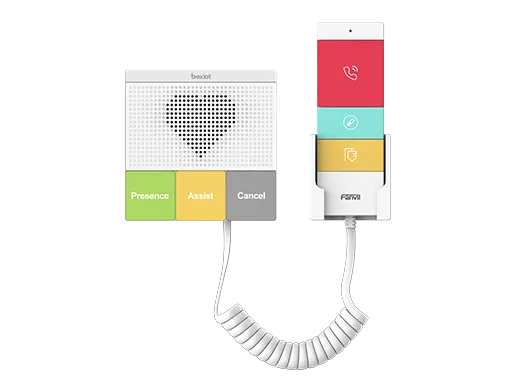
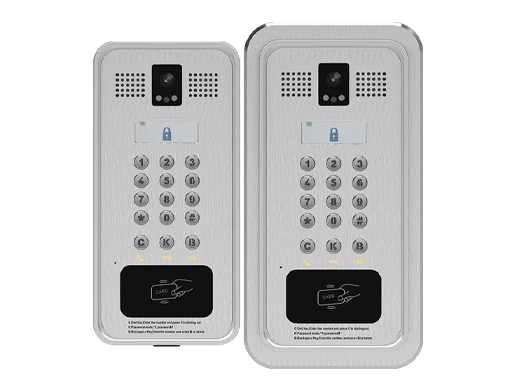
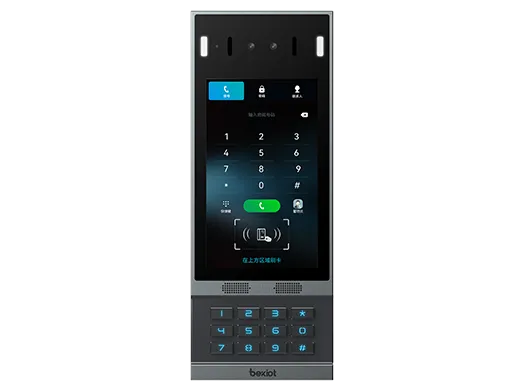
Many environments use emergency terminals, help points, or SIP intercom devices as the bridge between visitors, staff, or field workers and the control room. When integrated with surveillance and IP PBX, these devices can do much more than place a call. They can trigger video linkage, support two-way communication, create an event record, and allow the operator to escalate the response quickly.
This is useful in campuses, public sites, parking areas, roadsides, plant corridors, utility areas, and unmanned service points.
Zoned Paging and Emergency Broadcasting
Security response often requires area-wide communication, not just operator-to-person calls. Becke Telcom’s integrated approach supports broadcasting and paging as part of the same overall communication environment. Once a situation is verified, operators can make live announcements, warn people in a specific zone, or deliver emergency instructions to a broader area.
This is particularly effective in large parks, public infrastructure, industrial sites, highways, scenic areas, and campuses where an event may affect more than one individual.
Call Transfer and Mobile Escalation
If the monitoring center cannot fully resolve an incident, communication must continue without losing context. Integrated IP PBX functions allow the control room to transfer the call to another extension, an office phone, a softphone, or a mobile endpoint, helping ensure that important incidents are not delayed when the first operator is busy or when specialist involvement is needed.
This matters in multi-building and multi-site operations where security handling may depend on management staff, field responders, or remote decision-makers.
Centralized Management and Unified Operation
A major advantage of integration is operational simplicity. Instead of managing separate CCTV, intercom, phone, and broadcast platforms, the organization can work from a more centralized structure. This improves staff efficiency, shortens training time, and supports more standardized response procedures.
It also gives organizations a clearer path to scale security communication across larger sites and multiple locations.
Typical Use Cases for Smarter Security Operations
Industrial Facilities and Operational Sites
Factories, energy facilities, utility corridors, and remote operational zones often need immediate communication after a video-detected event. A camera may show an abnormal condition, but operators also need to speak to workers, notify maintenance teams, and coordinate responders. Becke Telcom IP PBX helps connect these steps into one practical workflow.
Campuses and Education Environments
In schools and campuses, surveillance integration with IP PBX can support classroom help points, gates, corridors, public areas, and security control rooms. Once an event is reported or observed, operators can verify the scene, talk to the caller, alert security staff, and make announcements when needed.
Parks, Campuses, and Mixed-Use Properties
In business parks, residential-style campuses, and office compounds, security teams often manage entrances, parking zones, public areas, and building interiors at the same time. Integrated surveillance and IP PBX helps unify monitoring, assistance calls, guard coordination, and zone communication in a more scalable way.
Transport and Roadside Infrastructure
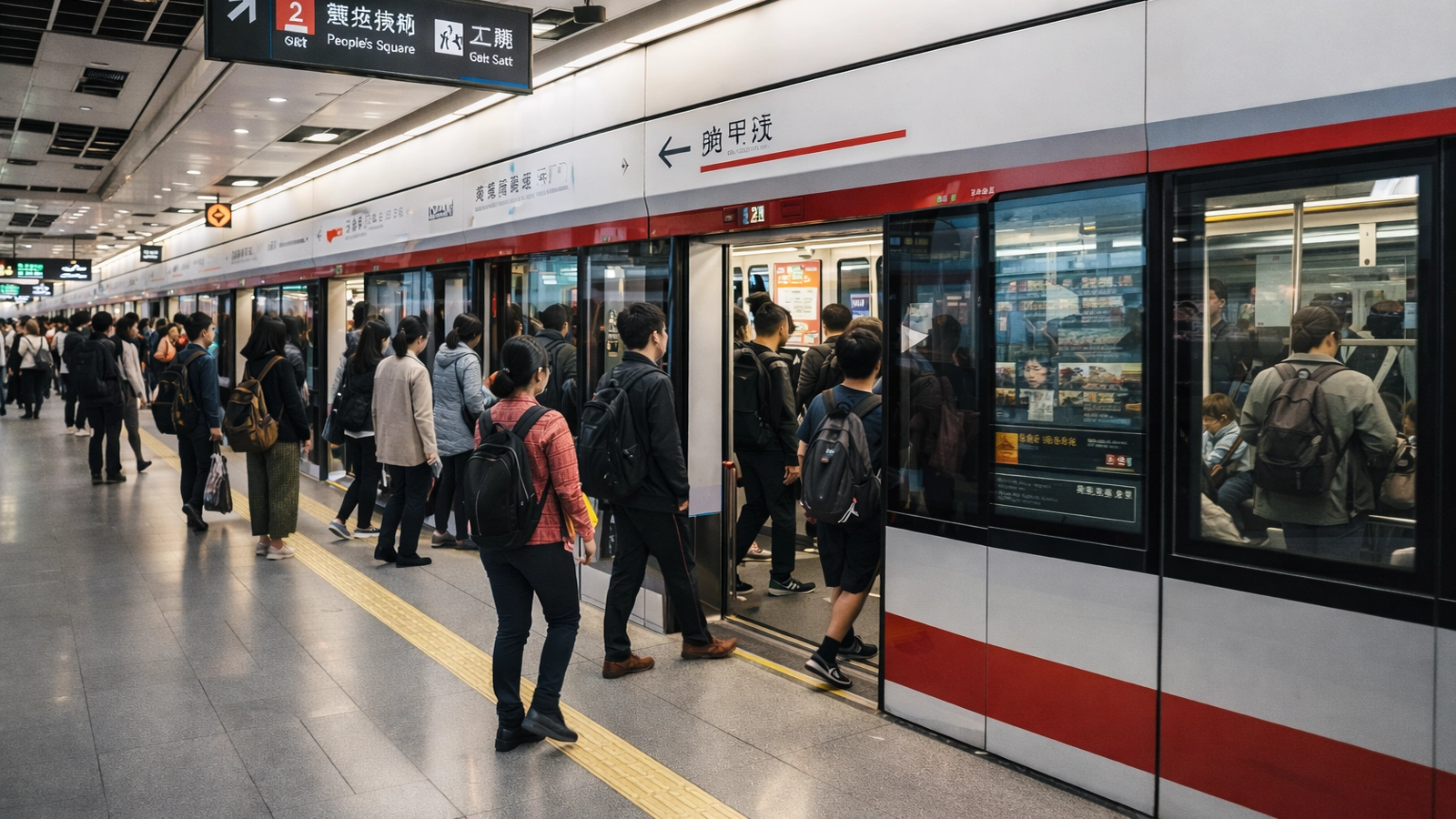
Highways, tunnels, stations, and public transport environments benefit greatly from this type of integration. Drivers or passengers can request help, operators can verify the location through video, and the control center can coordinate personnel and broadcast instructions immediately.
Scenic Areas and Visitor-Facing Sites
Visitor support and public safety often overlap in scenic areas. Integrated communication helps staff answer assistance requests, manage public spaces, verify events visually, and coordinate response teams more efficiently. This improves both safety and service quality.
Integrated surveillance and IPPBX is especially effective across distributed buildings and public-facing operational areas.
Business Benefits of Becke Telcom IP PBX and Surveillance Integration
Faster Response
Operators do not need to move from one disconnected system to another before acting. Video verification, calling, intercom, paging, and escalation can be handled in a connected sequence, which reduces response time.
Better Decision-Making
Seeing the scene and communicating instantly helps operators judge seriousness more accurately. That improves response quality and reduces unnecessary escalation.
Stronger Cross-Team Coordination
Security incidents rarely stay within one department. Integration helps connect operators, guards, maintenance teams, supervisors, and mobile staff more effectively.
More Efficient Operations
A unified platform reduces fragmentation, simplifies management, and supports more consistent workflows across multiple locations and operational areas.
Improved Service and Safety Experience
When visitors, employees, students, passengers, or field workers can get help quickly through linked video and communication tools, the overall site experience becomes safer and more responsive.
What to Look for in a Practical Integration Solution
A useful solution should go beyond simple camera display or basic phone connectivity. It should support open integration, real-time communication, linked event handling, and practical expansion across intercom, paging, emergency assistance, and mobile response.
Organizations should look for SIP-based interoperability, support for linked surveillance workflows, centralized management, call transfer, broadcast capability, multi-terminal access, and the ability to adapt to industry-specific operational needs. In that respect, Becke Telcom’s industrial IP PBX positioning is important because it is designed for more than desk-phone communication. It is built to work in real operational environments where voice, video, alerting, and response all matter together.
Smarter security operations begin when video visibility and communication response are designed to work together, not separately.
Conclusion
Surveillance systems help organizations see what is happening. Becke Telcom IP PBX helps them act on what they see. When these systems work together, security operations become more connected, more visible, and more responsive.
The real value is not simply adding a camera to a phone system or adding a phone to a monitoring platform. It is about building a unified response environment where video awareness, voice communication, intercom, paging, and dispatch support each other in real time.
For organizations that want stronger incident handling, better coordination, and a more practical path toward unified security communication, integrating surveillance systems with Becke Telcom’s industrial IP PBX is a highly effective approach.
Contact Becke Telcom
Becke Telcom provides industrial communication products and IP PBX-based integrated solutions for security, intercom, paging, dispatch, and emergency communication scenarios.
If you are planning to connect surveillance, intercom, paging, office communication, and incident response into one smarter platform, Becke Telcom can help you build a solution that fits your site, your workflow, and your operating environment.
Contact Becke Telcom to discuss your surveillance and IP PBX integration project and find the right unified communication solution for your facility.
FAQ
How does IP PBX improve a surveillance system?
It adds real-time communication to video monitoring. Operators can verify events visually and then immediately respond through calling, intercom, paging, call transfer, or multi-person coordination.
Is this only useful for office buildings?
No. It is especially useful in industrial facilities, campuses, scenic areas, parks, transport sites, utility environments, and other locations where fast communication and incident coordination matter.
Why is Becke Telcom IP PBX suitable for this kind of integration?
Because it is designed as an industrial-oriented communication platform, not just a basic office PBX. It can work with intercom, emergency terminals, paging, broadcast, dispatch workflows, and linked monitoring systems.
Can surveillance and IP PBX integration help with emergency handling?
Yes. It helps operators verify alarms, talk to the scene, alert responders, make announcements, and coordinate incident handling more efficiently.
We use cookie to improve your online experience. By continuing to browse this website, you agree to our use of cookie.
Cookies
This Cookie Policy explains how we use cookies and similar technologies when you access or use our website and related services. Please read this Policy together with our Terms and Conditions and Privacy Policy so that you understand how we collect, use, and protect information.
By continuing to access or use our Services, you acknowledge that cookies and similar technologies may be used as described in this Policy, subject to applicable law and your available choices.
Updates to This Cookie Policy
We may revise this Cookie Policy from time to time to reflect changes in legal requirements, technology, or our business practices. When we make updates, the revised version will be posted on this page and will become effective from the date of publication unless otherwise required by law.
Where required, we will provide additional notice or request your consent before applying material changes that affect your rights or choices.
What Are Cookies?
Cookies are small text files placed on your device when you visit a website or interact with certain online content. They help websites recognize your browser or device, remember your preferences, support essential functionality, and improve the overall user experience.
In this Cookie Policy, the term “cookies” also includes similar technologies such as pixels, tags, web beacons, and other tracking tools that perform comparable functions.
Why We Use Cookies
We use cookies to help our website function properly, remember user preferences, enhance website performance, understand how visitors interact with our pages, and support security, analytics, and marketing activities where permitted by law.
We use cookies to keep our website functional, secure, efficient, and more relevant to your browsing experience.
Categories of Cookies We Use
Strictly Necessary Cookies
These cookies are essential for the operation of the website and cannot be disabled in our systems where they are required to provide the service you request. They are typically set in response to actions such as setting privacy preferences, signing in, or submitting forms.
Without these cookies, certain parts of the website may not function correctly.
Functional Cookies
Functional cookies enable enhanced features and personalization, such as remembering your preferences, language settings, or previously selected options. These cookies may be set by us or by third-party providers whose services are integrated into our website.
If you disable these cookies, some services or features may not work as intended.
Performance and Analytics Cookies
These cookies help us understand how visitors use our website by collecting information such as traffic sources, page visits, navigation behavior, and general interaction patterns. In many cases, this information is aggregated and does not directly identify individual users.
We use this information to improve website performance, usability, and content relevance.
Targeting and Advertising Cookies
These cookies may be placed by our advertising or marketing partners to help deliver more relevant ads and measure the effectiveness of campaigns. They may use information about your browsing activity across different websites and services to build a profile of your interests.
These cookies generally do not store directly identifying personal information, but they may identify your browser or device.
First-Party and Third-Party Cookies
Some cookies are set directly by our website and are referred to as first-party cookies. Other cookies are set by third-party services, such as analytics providers, embedded content providers, or advertising partners, and are referred to as third-party cookies.
Third-party providers may use their own cookies in accordance with their own privacy and cookie policies.
Information Collected Through Cookies
Depending on the type of cookie used, the information collected may include browser type, device type, IP address, referring website, pages viewed, time spent on pages, clickstream behavior, and general usage patterns.
This information helps us maintain the website, improve performance, enhance security, and provide a better user experience.
Your Cookie Choices
You can control or disable cookies through your browser settings and, where available, through our cookie consent or preference management tools. Depending on your location, you may also have the right to accept or reject certain categories of cookies, especially those used for analytics, personalization, or advertising purposes.
Please note that blocking or deleting certain cookies may affect the availability, functionality, or performance of some parts of the website.
Restricting cookies may limit certain features and reduce the quality of your experience on the website.
Cookies in Mobile Applications
Where our mobile applications use cookie-like technologies, they are generally limited to those required for core functionality, security, and service delivery. Disabling these essential technologies may affect the normal operation of the application.
We do not use essential mobile application cookies to store unnecessary personal information.
How to Manage Cookies
Most web browsers allow you to manage cookies through browser settings. You can usually choose to block, delete, or receive alerts before cookies are stored. Because browser controls vary, please refer to your browser provider’s support documentation for details on how to manage cookie settings.
Contact Us
If you have any questions about this Cookie Policy or our use of cookies and similar technologies, please contact us at support@becke.cc .