What Is SIP Intercom? Definition, How It Works, Features, and Applications
What is SIP intercom? Learn how a SIP intercom works, how it connects with IP PBX, SIP servers, indoor stations, mobile apps, and access control systems, plus its key features and applications in buildings, campuses, industry, and public safety.
Becke Telcom
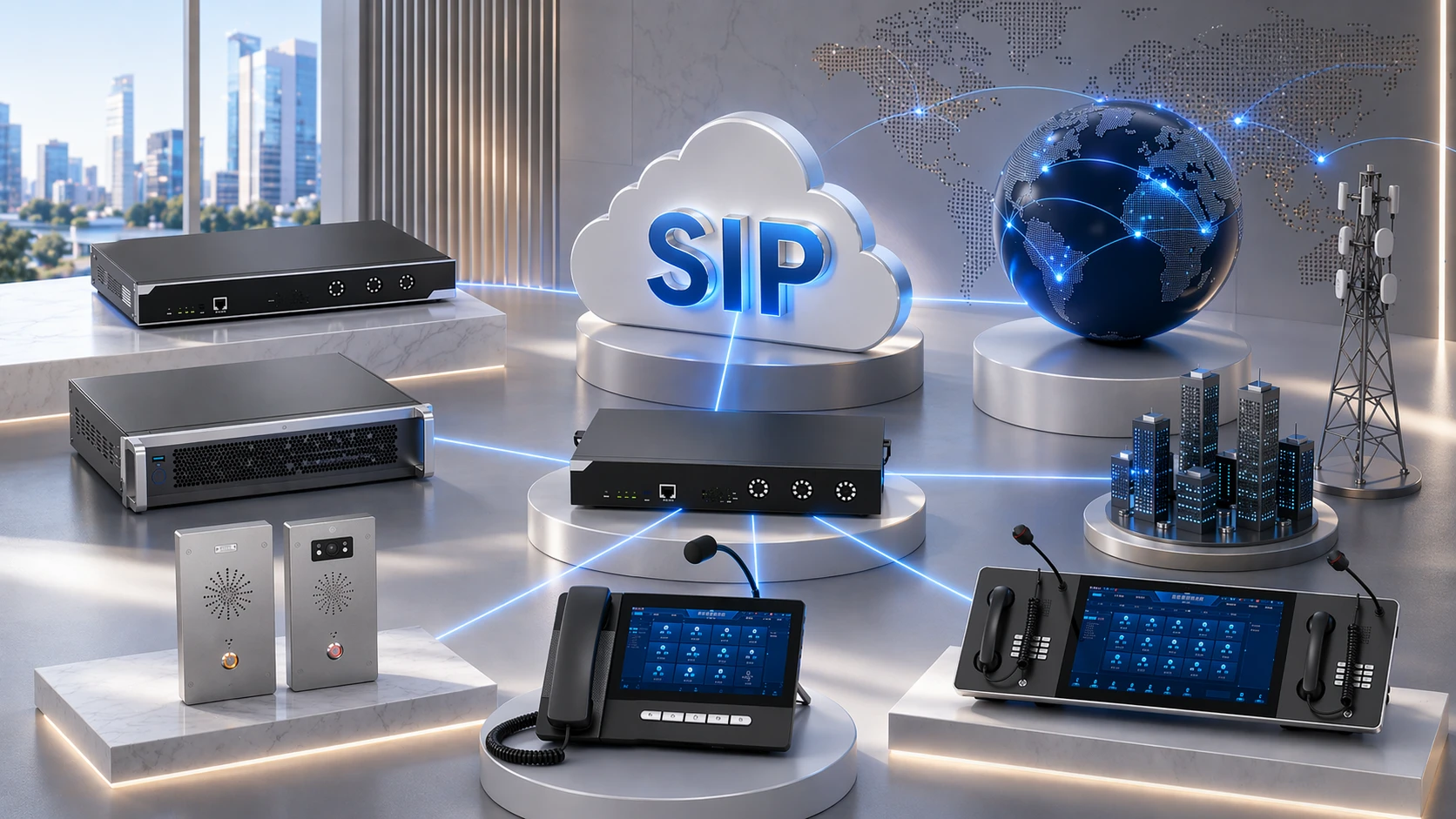
A SIP intercom is an intercom device or system that uses the Session Initiation Protocol to establish and manage voice or audio-video communication over an IP network. In practical terms, it allows a door station, wall intercom, emergency help point, industrial terminal, indoor monitor, desk phone, softphone, or mobile application to communicate through standard SIP-based call signaling instead of relying on isolated analog wiring or closed proprietary intercom architecture.
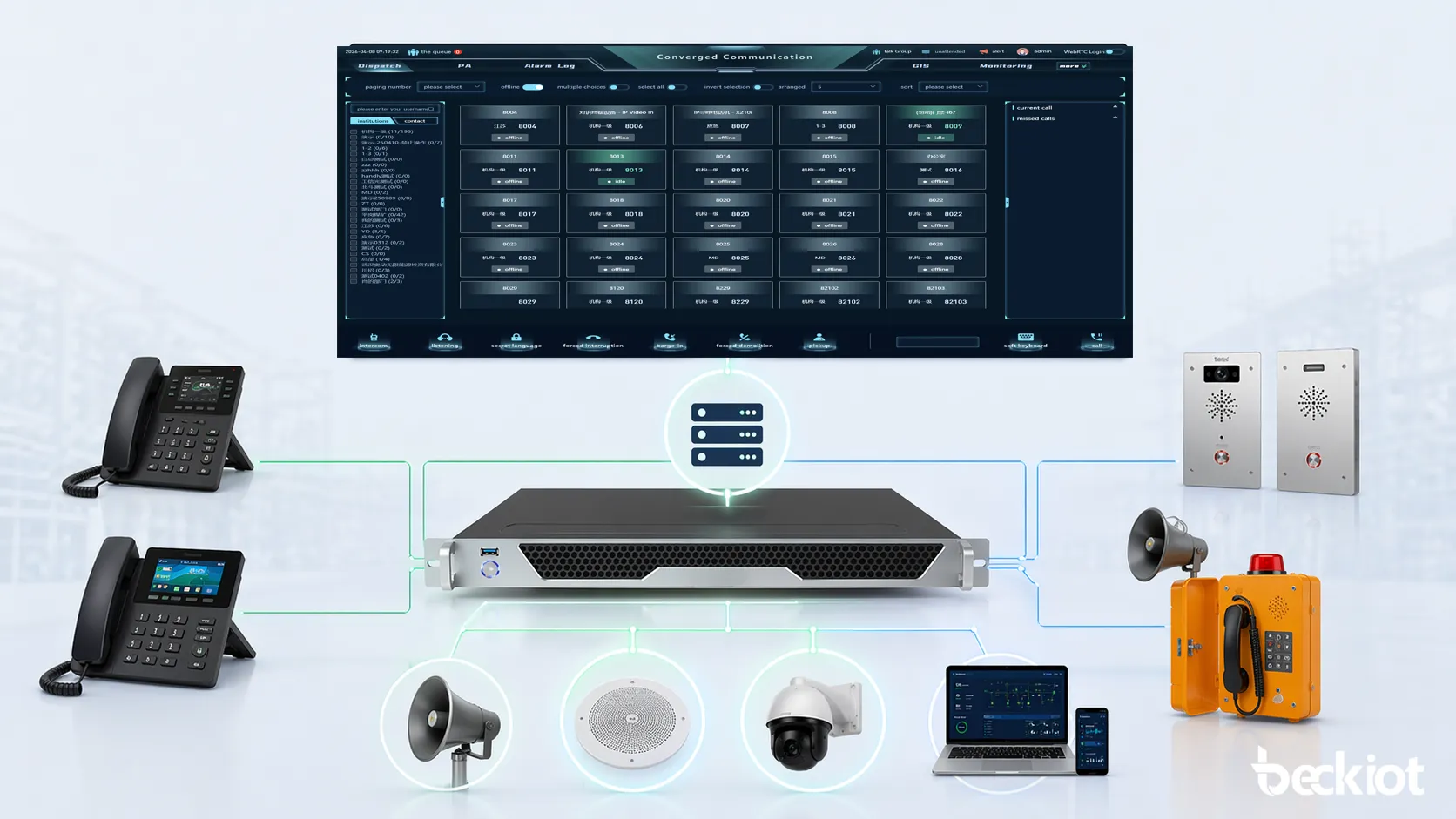
This is one of the main reasons SIP intercom technology has become so important in modern communication environments. It fits naturally into IP-based voice systems, building communication networks, unified communications platforms, and integrated security deployments. Instead of treating the intercom as a completely separate subsystem, organizations can connect it into a broader SIP environment that may also include IP PBX platforms, SIP phones, paging systems, control rooms, recording servers, mobile clients, and cloud-connected communication services.
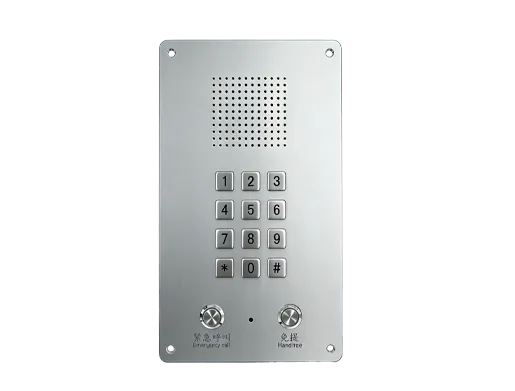
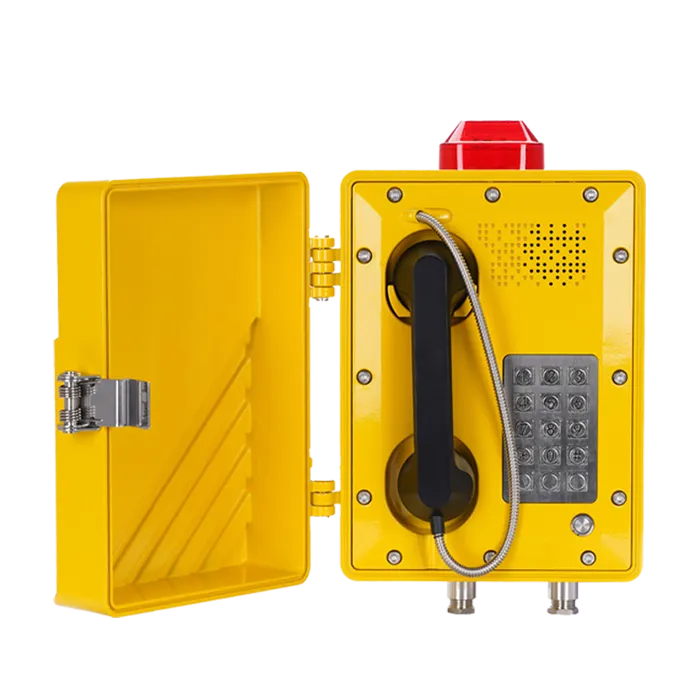
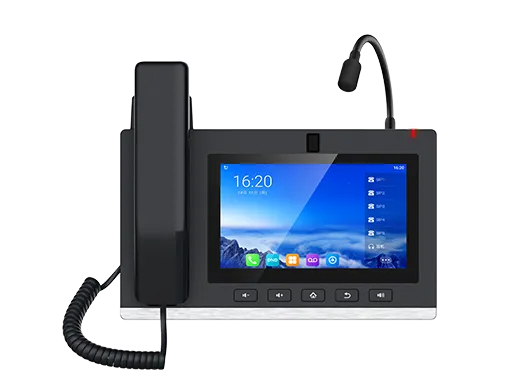
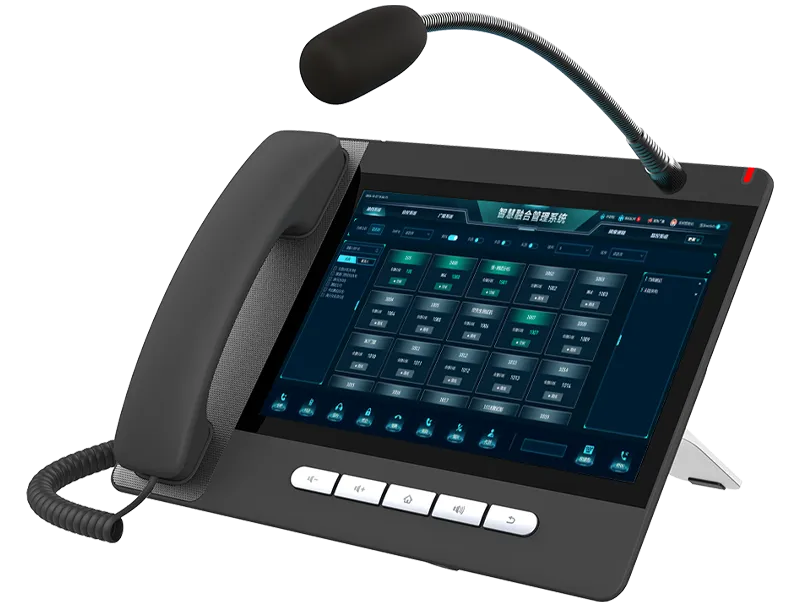
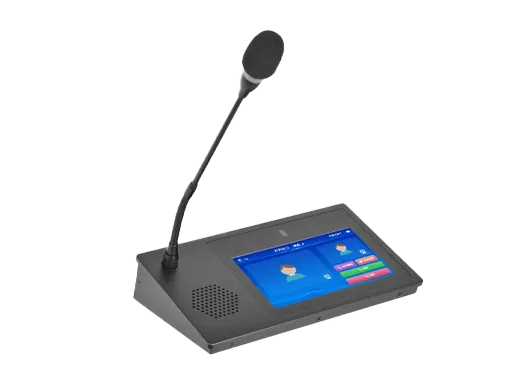
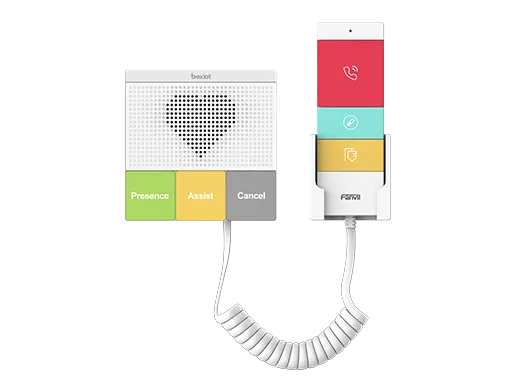
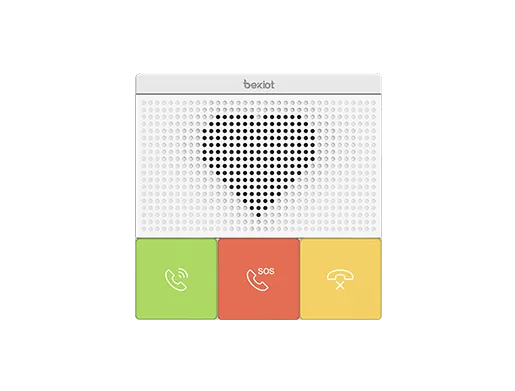
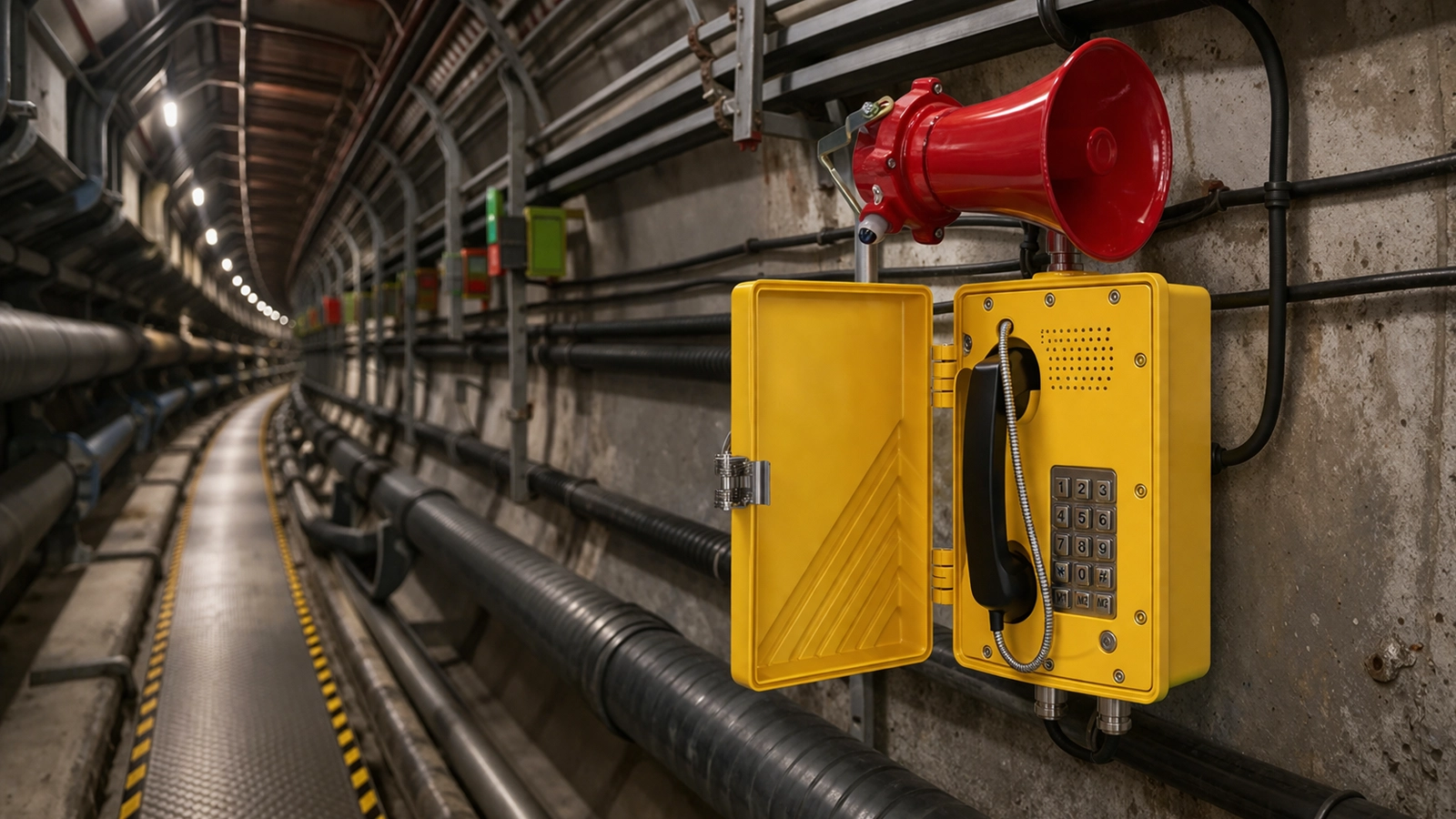
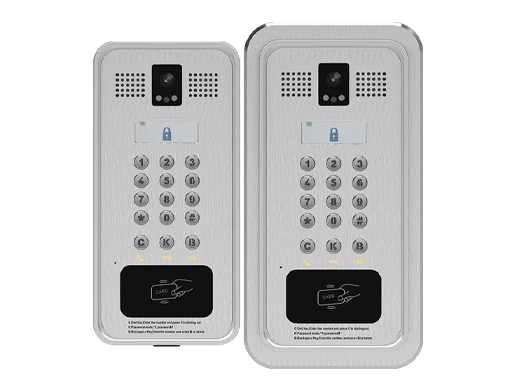
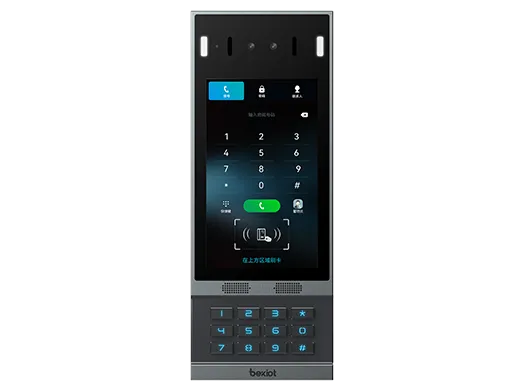
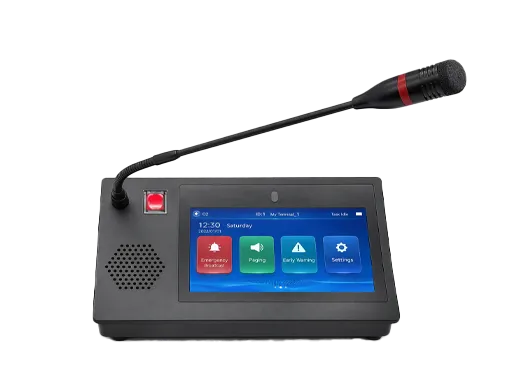
SIP intercom products now appear in many forms, including door phones, wall stations, industrial intercoms, emergency call points, clean-room units, indoor monitors, and integrated access control terminals. Some are audio only, while others support video, camera linkage, door release control, relay outputs, alarm interfaces, or integration with third-party systems. What unifies them is not the industrial design or the installation location. It is the SIP-based communication method that allows them to behave like IP communication endpoints inside a wider call-control environment.
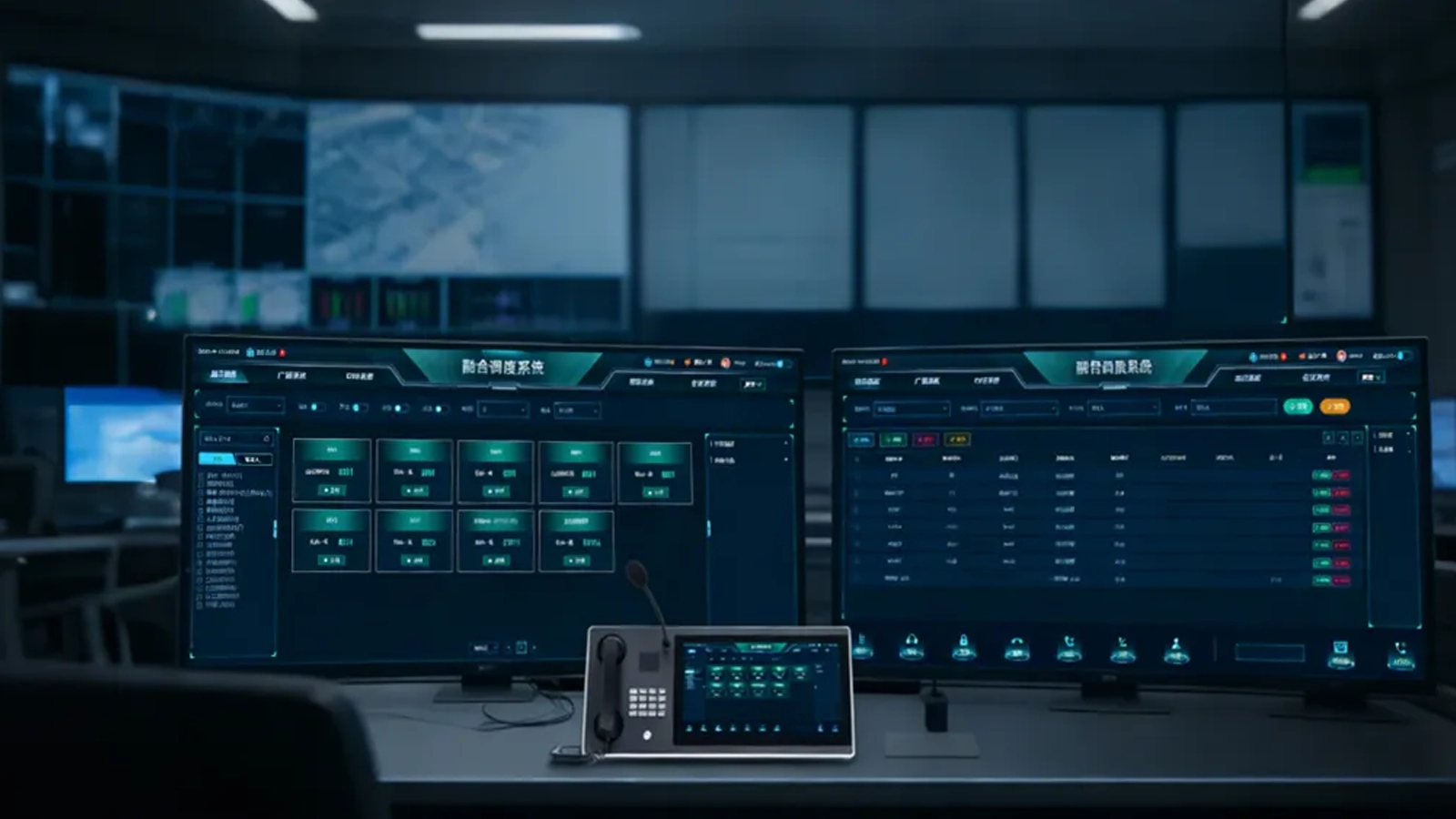
SIP intercom systems extend intercom communication into standard IP voice environments.
What Is SIP Intercom?
Basic definition
A SIP intercom is an intercom endpoint or intercom system that uses SIP signaling for call setup, management, and termination over an IP network. In simpler terms, it is an intercom that can behave like a SIP communication device. It can register to a SIP server or IP PBX, call other SIP endpoints, receive SIP calls, and participate in broader network-based voice workflows rather than operating only as a closed local talkback unit.
This definition matters because traditional intercom systems were often isolated or proprietary. They might require dedicated cabling, custom controllers, or vendor-specific stations to work. A SIP intercom, by contrast, is built around standard IP communication logic, which makes integration much easier in modern networked environments.
Why SIP intercom is different from a traditional intercom
A conventional intercom may work perfectly well for local point-to-point talkback, but it is often limited in scalability and integration. A SIP intercom can be part of a much larger communication architecture. It can ring a desk phone, call multiple indoor stations, register with a SIP proxy, trigger a mobile app, connect to a control room, or hand calls over to a unified communications system using standard voice signaling principles.
This means SIP intercom is not only an intercom product category. It is also an architectural approach. It turns the intercom from a standalone local device into a network endpoint that can join the wider voice, security, and building communication ecosystem.
A SIP intercom is best understood as an intercom endpoint that operates as part of a standard SIP-based IP communication system rather than as an isolated proprietary talkback device.
What Does SIP Mean in SIP Intercom?
SIP stands for Session Initiation Protocol. It is an application-layer signaling protocol used to create, modify, and terminate multimedia sessions, including voice sessions over IP networks. RFC 3261 describes SIP as the core signaling protocol for establishing and managing such sessions. citeturn0search0
In a SIP intercom environment, SIP is used to set up the communication session between the intercom and another endpoint or platform. The intercom may register to a SIP server, send an INVITE when a call button is pressed, receive incoming SIP calls, and exchange media once the session is established. This is what allows SIP intercoms to interoperate with IP PBXs, SIP proxies, desk phones, indoor monitors, gateways, and many other SIP-capable devices.
How a SIP Intercom Works
Registration to a SIP server or IP PBX
In many deployments, a SIP intercom is configured with one or more SIP accounts and registers to a SIP server, IP PBX, or SIP proxy. Official intercom configuration materials show this clearly: for example, 2N documents describe SIP account registration to a SIP proxy and support for multiple SIP accounts on an intercom device. citeturn0search10turn1search4
Once registered, the intercom becomes an addressable endpoint within the SIP communication environment. That means other SIP devices can call it, and it can initiate calls to other registered users, groups, or applications depending on the dial plan and system design.
Button press or event initiates a call
When a visitor presses a call button on a door intercom, or when a user triggers an emergency or service call on a wall station, the intercom sends a SIP call request toward its configured destination. That destination may be a desk phone, indoor station, operator console, mobile app, SIP paging device, call group, or IP PBX logic that routes the call onward.
In many systems, the destination logic can be sequential, parallel, or conditional. One button may call one extension, multiple extensions, a hunt group, or a remote control room. Some intercoms can also be configured to try secondary accounts or alternate destinations if the primary destination is unavailable.
Audio or video session is established
After the call is accepted, the media session begins. Depending on the product and deployment, this may be a simple two-way audio talkback session or a full audio-video call with camera streaming, remote viewing, and conversation functions. The SIP protocol handles the signaling logic, while the media itself is carried using the negotiated audio or video transport method.
This is important because the SIP intercom does not need to invent its own call setup model. It uses the same broad signaling principles as other SIP endpoints, which is one of the reasons it can integrate more easily with wider IP voice systems.
SIP intercoms register to a SIP platform and use standard call logic to establish two-way communication.
Optional access control and relay action
Many SIP intercom deployments are not only about voice. They are also tied to entry control, remote release, and site management workflows. Official vendor materials commonly show SIP intercom products integrated with door control, security, and access functions. 2N product pages describe intercoms with access control integration, while Fanvil product information shows SIP video door phones and intercoms combining access control, security, and audio-video communication. citeturn1search6turn1search15turn1search5
In practice, this means an answering party may not only speak to the visitor but also trigger door release, monitor the entrance, or route the event to another system based on the intercom’s inputs, relays, or platform integration.
Integration with broader communication workflows
A SIP intercom can also be integrated into wider workflows such as paging, multicast audio, help point handling, alarm response, or building communication logic. Official documentation from Fanvil, for example, describes SIP-to-multicast behavior and intercom devices participating in broader audio distribution scenarios. citeturn0search5turn1search3
That makes SIP intercom useful not only at a door or gate, but also in campuses, industrial sites, transport facilities, and emergency communication environments where the intercom must be part of a larger IP communication topology.
Main Features of SIP Intercom
Standard SIP communication
The most important feature is SIP-based interoperability. Because the device uses standard SIP signaling, it can connect with many SIP-capable systems rather than being restricted to a closed vendor-only ecosystem. This is often one of the first reasons system designers choose SIP intercom for new projects.
It does not guarantee universal plug-and-play behavior in every case, but it creates a much stronger foundation for integration than a completely proprietary intercom protocol would.
Two-way audio and optional video
Many SIP intercoms support two-way audio, and many modern models also support video. This allows the answering party to verify who is calling, communicate clearly, and make an informed response. Product information from 2N and Fanvil shows the broad market presence of audio-video SIP intercom and video door phone designs. citeturn1search2turn1search15turn1search5
Audio remains the core function, but video is especially valuable at entrances, gates, lobbies, remote facilities, and security-sensitive sites where visual confirmation matters.
Registration to multiple SIP accounts or destinations
Another useful feature is the ability in some products to register multiple SIP accounts or call multiple destinations. 2N documentation, for example, explicitly describes multiple SIP account support on its intercoms. citeturn1search4turn0search10
This can improve resilience and flexibility, allowing the intercom to work with more than one call control domain or to use a fallback strategy if one SIP service path is unavailable.
Access control and relay integration
Many SIP intercoms include relay outputs, input interfaces, door contact integration, or support for remote release workflows. This makes them valuable in entrance control, building security, industrial access points, and managed visitor communication. In many deployments, the intercom is both a communication device and a control point.
This dual role is one reason SIP intercom has become so popular in building and security projects. It allows communication and controlled access handling to be linked within one IP-capable endpoint.
Integration with desk phones, indoor stations, and mobile apps
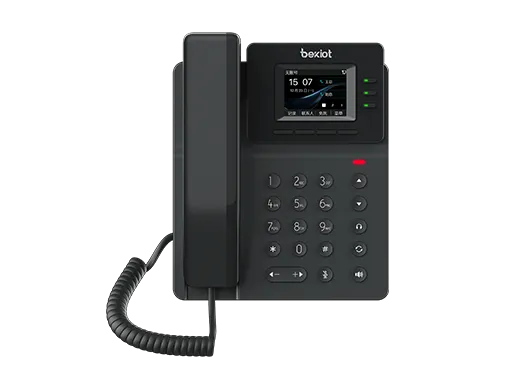
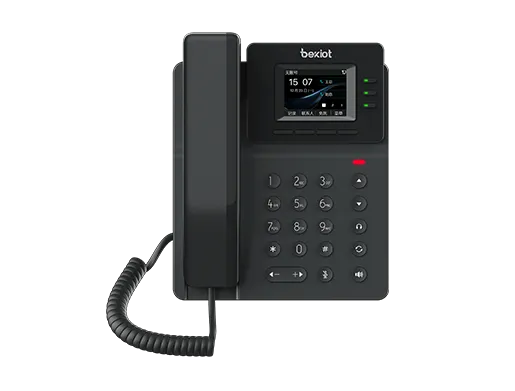
SIP intercom systems are often used with indoor answering stations, SIP desk phones, softphones, or mobile answering applications. Official vendor materials show indoor stations designed to receive calls from door phones and support remote access control. citeturn1search9
This means the answering endpoint does not need to be a dedicated proprietary indoor monitor only. In many designs, the call can be routed to different kinds of SIP-aware user devices depending on the project requirements.
Durability for specialized environments
Some SIP intercoms are designed for demanding environments and may include weather resistance, vandal resistance, industrial housings, or emergency-oriented build quality. Official product information from vendors such as Fanvil and 2N shows SIP intercom models with outdoor durability, IP protection, and security-oriented construction. citeturn1search5turn1search15turn1search2
This is especially relevant in public areas, campuses, transport facilities, industrial sites, and exposed outdoor installations where communication equipment must tolerate more than an office environment.
The real strength of SIP intercom is that it combines intercom communication with the flexibility of standard IP voice architecture and, in many cases, with access control and security integration.
SIP Intercom Architecture
Field endpoint layer
At the edge of the system are the intercom endpoints themselves. These may include door stations, wall intercoms, emergency help points, industrial call stations, or interior room units. Some have single buttons, some have keypads, and some use touch interfaces or integrated access readers. Regardless of form, they act as SIP communication endpoints at the field layer.
This is the user-facing layer of the system where visitors, staff, residents, operators, or the public initiate or receive communication events.
Call control layer
Above the endpoint layer is the call control environment, which may be an IP PBX, SIP proxy, hosted SIP service, or another SIP routing platform. This is the layer that manages registration, routing rules, authentication, extension logic, destination policies, and failover behavior. The intercom does not need to make all routing decisions alone. It can rely on the SIP platform to determine how calls should be handled.
This is one of the main architectural benefits of SIP intercom. The intelligence of the call flow can be centralized rather than being locked entirely inside each endpoint.
Answering and application layer
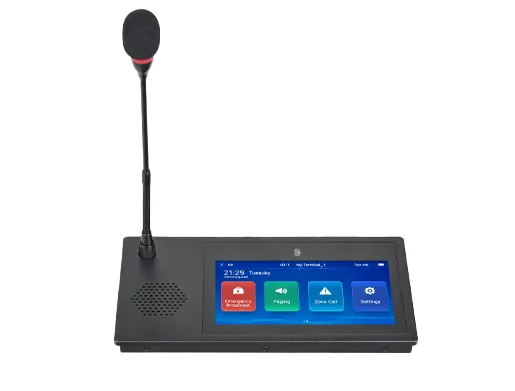
The next layer includes the answering devices and related applications. These may be SIP desk phones, indoor monitors, soft clients, operator consoles, mobile applications, or control room platforms. In some solutions, they may also include recording systems, alarm platforms, paging systems, or access management applications.
This allows one intercom event to fit into a broader operational workflow rather than ending at a single hardwired indoor station.
Integration layer
Many projects also include integration with access control, CCTV, automation, building management, security systems, or third-party APIs. Official 2N materials, for example, describe integration-oriented documentation and HTTP API support for selected intercom functions. citeturn0search1turn0search16
This integration layer is often the part that transforms a SIP intercom from a simple talkback device into a true system component inside a building or industrial communication platform.
A typical SIP intercom architecture includes field endpoints, call control, answering devices, and integration with security or control systems.
SIP Intercom vs Traditional Analog or Proprietary Intercom
SIP intercom and traditional intercom systems can both provide point-to-point or group communication, but they differ significantly in architecture and expandability. Traditional analog or proprietary systems often depend on dedicated controllers, special wiring, and vendor-specific endpoint relationships. SIP intercom systems, by contrast, use IP networking and SIP call logic, which makes them more compatible with modern enterprise and building communication environments.
Item
SIP Intercom
Traditional Analog or Proprietary Intercom
Network model
IP-based and SIP-oriented
Often closed, dedicated, or analog-specific
Integration potential
High, with PBX, SIP phones, apps, and platforms
Often limited to the original vendor system
Scalability
Generally more flexible in larger IP environments
Can become harder to expand across sites
Answering endpoints
Can include phones, monitors, apps, or consoles
Often tied to specific indoor units or panels
Typical fit
Modern buildings, campuses, industry, public safety
Legacy or smaller isolated intercom deployments
This does not mean traditional intercom has no value. In some small and fixed environments, it may still be adequate. But where integration, IP networking, multi-site control, or flexible answering methods are important, SIP intercom is usually the more future-oriented approach.
Typical Applications of SIP Intercom
Building entrances and door communication
One of the most familiar applications is at building entrances, apartment entrances, villa gates, office lobbies, and secured doors. A visitor presses the intercom, the call is routed through the SIP environment, and an authorized person answers on an indoor station, desk phone, or app. Video-capable models may also show the visitor image and support remote door release.
This application is common in residential, commercial, and mixed-use projects because it combines visitor communication with access handling in one system.
Campuses, hospitals, and public service sites
SIP intercom is also valuable in campuses, hospitals, dormitories, service counters, parking areas, corridors, and public help points. In these environments, intercom devices can provide rapid contact with security, reception, facility teams, or service personnel through a standard IP communication network.
Because SIP intercom can route to different answering points, it supports more flexible response models than many closed local intercom systems.
Industrial and infrastructure communication
Industrial sites, plants, tunnels, warehouses, transport facilities, and operation areas often need rugged communication points linked to a central control room or dispatch platform. SIP intercom fits well here because it can operate within the wider IP communication environment while still providing direct field communication. The market includes outdoor and industrial-style SIP intercom products designed for such scenarios. citeturn1search5turn1search15
This makes SIP intercom highly relevant in operational communication systems that need more than a consumer-style doorbell function.
Emergency and help point systems
SIP intercom is also used in help points, SOS communication points, safety stations, emergency walls, and public assistance terminals. In these scenarios, the intercom may be integrated with alarm workflows, dispatch logic, or operator platforms so that a call for help reaches the right response center quickly.
The ability to route calls, identify locations, and integrate with other IP systems is especially valuable in this application category.
Integrated security and access control systems
Many sites deploy SIP intercom as part of a larger security system that includes access control, video surveillance, and building or site management. Official product pages from 2N and Fanvil emphasize this intersection of communication and security. citeturn1search6turn1search15
In these deployments, the intercom is both a communication endpoint and an operational trigger within the site’s broader security and access workflow.
Main Benefits of SIP Intercom
Open integration potential
The biggest advantage of SIP intercom is often its integration potential. Because it uses standard SIP logic, it can work with IP PBXs, SIP phones, indoor stations, cloud voice services, and other IP communication tools more easily than many proprietary systems can. This helps avoid creating communication islands inside the site.
For project designers, that openness can reduce long-term lock-in and support more flexible system evolution.
Flexible answering methods
Another major benefit is that calls can be answered in multiple ways depending on the project. A visitor call can ring a receptionist’s phone, a resident’s indoor station, a security desk, a mobile client, or a call group. This flexibility is a major improvement over systems that require one dedicated answering device per station.
It also supports different day and night workflows, escalation rules, and backup answering logic.
Better fit for modern IP infrastructure
SIP intercom fits the reality of modern networks, where voice, video, and control systems increasingly run on IP infrastructure. Rather than forcing an entirely separate intercom universe, SIP intercom allows the communication layer to align more closely with the rest of the site’s network design.
This is especially valuable in campuses, offices, hospitals, industrial facilities, and mixed-use smart building environments.
Easier expansion across sites
Because SIP intercom is network-based, it is generally easier to expand across buildings, wings, floors, or sites than a purely isolated local system. Multi-site routing and centralized call control become more practical when the intercom participates in a standard IP communications architecture.
This can make lifecycle planning and future expansion much easier for large projects.
SIP intercom is often chosen not only for intercom function itself, but because it fits the long-term logic of IP-based, integrated, and expandable communication systems.
Things to Consider When Choosing a SIP Intercom
Audio only or audio-video
One of the first decisions is whether the application needs only two-way audio or also video verification. Audio-only models can be enough for many service, industrial, or help-point scenarios, while entrances and security-sensitive locations often benefit from video-capable devices.
The right choice depends on how much visual confirmation and remote decision-making the workflow requires.
Indoor, outdoor, or industrial environment
Environmental conditions matter. Outdoor entrances, exposed public spaces, heavy-use industrial zones, and emergency communication points may require stronger housings, weather resistance, impact resistance, or specialized design features. Many SIP intercom families include variants for different deployment conditions. citeturn1search5turn1search15turn1search2
Choosing the right enclosure and durability class is just as important as choosing the signaling compatibility.
SIP platform compatibility
It is also important to check how the device will interoperate with the SIP server, IP PBX, cloud voice service, or unified communications platform already in use. Although SIP provides a common foundation, feature details, registration behavior, codec policies, DTMF handling, and provisioning methods can still vary in practice.
Good intercom selection therefore includes both endpoint hardware evaluation and platform interworking validation.
Access control and integration needs
If the intercom must open doors, integrate with access credentials, link to cameras, call multiple destinations, trigger relays, or expose API-based control, those requirements should be reviewed early. Not every SIP intercom offers the same level of integration depth.
The best product is not always the one with the most features in general, but the one whose features match the actual workflow of the site.
Conclusion
A SIP intercom is an IP-based intercom endpoint or system that uses Session Initiation Protocol to establish communication sessions across a network. It turns intercom communication into part of a broader SIP voice architecture, making it easier to connect with IP PBXs, SIP servers, desk phones, indoor stations, mobile apps, and integrated building or industrial communication systems.
Its value lies in flexibility. Instead of remaining a closed local talkback device, a SIP intercom can route calls intelligently, support remote answering, integrate with access control, participate in larger workflows, and scale more naturally across modern IP environments. That is why SIP intercom is now widely used in building entrances, campuses, hospitals, public safety systems, industrial facilities, and security-oriented deployments.
In short, SIP intercom combines the familiar function of an intercom with the much broader possibilities of standard IP communication. It is not just a door device. It is a networked communication endpoint that can fit into the larger logic of modern voice, security, and control systems.
FAQ
What is a SIP intercom used for?
A SIP intercom is used for network-based intercom communication in applications such as door entry, indoor communication, emergency help points, industrial talkback, access control, and integrated building communication systems.
How does a SIP intercom work?
It typically registers to a SIP server, SIP proxy, or IP PBX, and then initiates or receives calls using standard SIP signaling when a button is pressed or an event occurs.
Can a SIP intercom call a desk phone or softphone?
Yes. In many deployments, a SIP intercom can call SIP desk phones, softphones, indoor stations, operator consoles, or mobile clients depending on the system design.
Is SIP intercom the same as a video door phone?
Not always. A SIP intercom may be audio only or audio-video. A SIP video door phone is one type of SIP intercom application focused on entrance communication with video support.
Can SIP intercom be integrated with access control?
Yes. Many SIP intercoms support relays, door release, access workflows, and integration with broader security or access control systems.
What is the advantage of SIP intercom over a traditional intercom?
The biggest advantage is integration and flexibility. SIP intercom fits into IP-based communication systems and can work with PBXs, apps, phones, and wider networked workflows more easily than many proprietary intercom systems.
Where are SIP intercoms commonly installed?
They are commonly installed at building entrances, gates, offices, campuses, hospitals, parking areas, industrial sites, public help points, emergency stations, and other locations where network-based two-way communication is needed.
We use cookie to improve your online experience. By continuing to browse this website, you agree to our use of cookie.
Cookies
This Cookie Policy explains how we use cookies and similar technologies when you access or use our website and related services. Please read this Policy together with our Terms and Conditions and Privacy Policy so that you understand how we collect, use, and protect information.
By continuing to access or use our Services, you acknowledge that cookies and similar technologies may be used as described in this Policy, subject to applicable law and your available choices.
Updates to This Cookie Policy
We may revise this Cookie Policy from time to time to reflect changes in legal requirements, technology, or our business practices. When we make updates, the revised version will be posted on this page and will become effective from the date of publication unless otherwise required by law.
Where required, we will provide additional notice or request your consent before applying material changes that affect your rights or choices.
What Are Cookies?
Cookies are small text files placed on your device when you visit a website or interact with certain online content. They help websites recognize your browser or device, remember your preferences, support essential functionality, and improve the overall user experience.
In this Cookie Policy, the term “cookies” also includes similar technologies such as pixels, tags, web beacons, and other tracking tools that perform comparable functions.
Why We Use Cookies
We use cookies to help our website function properly, remember user preferences, enhance website performance, understand how visitors interact with our pages, and support security, analytics, and marketing activities where permitted by law.
We use cookies to keep our website functional, secure, efficient, and more relevant to your browsing experience.
Categories of Cookies We Use
Strictly Necessary Cookies
These cookies are essential for the operation of the website and cannot be disabled in our systems where they are required to provide the service you request. They are typically set in response to actions such as setting privacy preferences, signing in, or submitting forms.
Without these cookies, certain parts of the website may not function correctly.
Functional Cookies
Functional cookies enable enhanced features and personalization, such as remembering your preferences, language settings, or previously selected options. These cookies may be set by us or by third-party providers whose services are integrated into our website.
If you disable these cookies, some services or features may not work as intended.
Performance and Analytics Cookies
These cookies help us understand how visitors use our website by collecting information such as traffic sources, page visits, navigation behavior, and general interaction patterns. In many cases, this information is aggregated and does not directly identify individual users.
We use this information to improve website performance, usability, and content relevance.
Targeting and Advertising Cookies
These cookies may be placed by our advertising or marketing partners to help deliver more relevant ads and measure the effectiveness of campaigns. They may use information about your browsing activity across different websites and services to build a profile of your interests.
These cookies generally do not store directly identifying personal information, but they may identify your browser or device.
First-Party and Third-Party Cookies
Some cookies are set directly by our website and are referred to as first-party cookies. Other cookies are set by third-party services, such as analytics providers, embedded content providers, or advertising partners, and are referred to as third-party cookies.
Third-party providers may use their own cookies in accordance with their own privacy and cookie policies.
Information Collected Through Cookies
Depending on the type of cookie used, the information collected may include browser type, device type, IP address, referring website, pages viewed, time spent on pages, clickstream behavior, and general usage patterns.
This information helps us maintain the website, improve performance, enhance security, and provide a better user experience.
Your Cookie Choices
You can control or disable cookies through your browser settings and, where available, through our cookie consent or preference management tools. Depending on your location, you may also have the right to accept or reject certain categories of cookies, especially those used for analytics, personalization, or advertising purposes.
Please note that blocking or deleting certain cookies may affect the availability, functionality, or performance of some parts of the website.
Restricting cookies may limit certain features and reduce the quality of your experience on the website.
Cookies in Mobile Applications
Where our mobile applications use cookie-like technologies, they are generally limited to those required for core functionality, security, and service delivery. Disabling these essential technologies may affect the normal operation of the application.
We do not use essential mobile application cookies to store unnecessary personal information.
How to Manage Cookies
Most web browsers allow you to manage cookies through browser settings. You can usually choose to block, delete, or receive alerts before cookies are stored. Because browser controls vary, please refer to your browser provider’s support documentation for details on how to manage cookie settings.
Contact Us
If you have any questions about this Cookie Policy or our use of cookies and similar technologies, please contact us at support@becke.cc .